|
Your weekly newsletter from OneBeautifulPlanet.org! Knowledge and action for a cleaner, healthier world͏ ͏ ͏ ͏ ͏ ͏ ͏ ͏ ͏ ͏ ͏ ͏ ͏ ͏ ͏ ͏ ͏ ͏ ͏ ͏ ͏ ͏ ͏ ͏ ͏ ͏ ͏ ͏ ͏ ͏ ͏ ͏ ͏ ͏ ͏ ͏ ͏ ͏ ͏ ͏ ͏ ͏ ͏ ͏ ͏ ͏ ͏ ͏ ͏ ͏ ͏ ͏ ͏ ͏ ͏ ͏ ͏ ͏ ͏ ͏ ͏ ͏ ͏ ͏ ͏ ͏ ͏ ͏ ͏ ͏ ͏ ͏ ͏ ͏ ͏ ͏ ͏ ͏ ͏ ͏ ͏ ͏ ͏ ͏ ͏ ͏ ͏ ͏ ͏ ͏ ͏ ͏ ͏ ͏ ͏ ͏ ͏ ͏ ͏ ͏ ͏ ͏ ͏ ͏ ͏ ͏ ͏ ͏ ͏ ͏ ͏ ͏ ͏ ͏ ͏ ͏ ͏ ͏ ͏ ͏ ͏ ͏ ͏ ͏ ͏ ͏ ͏ ͏ ͏ ͏ ͏ ͏ ͏ ͏ ͏ ͏ ͏ ͏ ͏ ͏ ͏ ͏ ͏ ͏ ͏ ͏ ͏ ͏ ͏ ͏ ͏ ͏ ͏ ͏ ͏ ͏ ͏ ͏ ͏ ͏ ͏ ͏ ͏ ͏ ͏ ͏ ͏ ͏ ͏ ͏ ͏ ͏ ͏ ͏ ͏ ͏ ͏ ͏ ͏ ͏ ͏ ͏ ͏ ͏ ͏ ͏ ͏ ͏ ͏ ͏ ͏ ͏ ͏ ͏ ͏ ͏ ͏ ͏ ͏ ͏ ͏ ͏ ͏ ͏ ͏ ͏ ͏ ͏ ͏ ͏ ͏ ͏ ͏ ͏ ͏ ͏ ͏ ͏ ͏ ͏ ͏ ͏ ͏ ͏ ͏ ͏ ͏ ͏ ͏ ͏ ͏ ͏ ͏ ͏ ͏ ͏ ͏ ͏ ͏ ͏ ͏ ͏ ͏ ͏ ͏ ͏ ͏ ͏ ͏ ͏ ͏ ͏ ͏ ͏ ͏
|
March 17, 2024 Hi and welcome to newsletter #39 of OneBeautifulPlanet.org! This message goes to my 196 subscribers, with a big Thank you for signing up. If you have just subscribed, check out the weekly Newsletter archive. I wrote the first issue in June 2023, and an overview of the weekly effort at the 100th subscriber milestone.
|
|
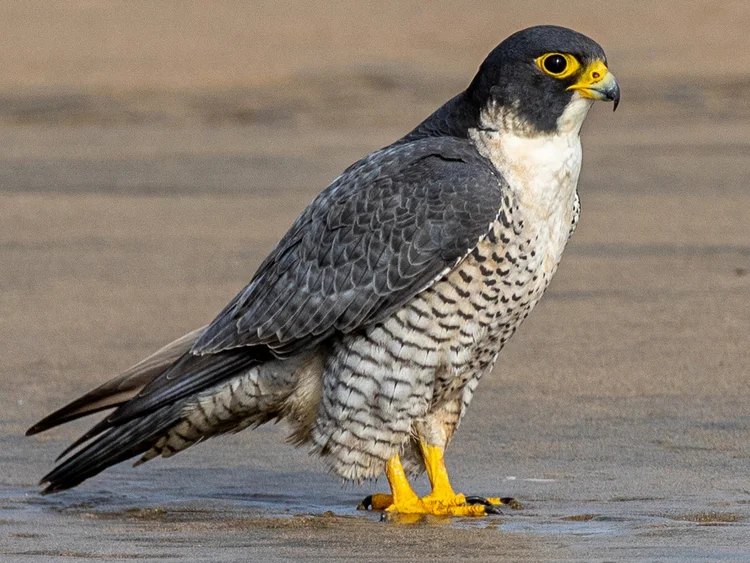
I start every weekly message with a person, animal, or plant that inspired or intrigued me. It is a moment of reflection and gratitude, meant to find lessons and nurture curiosity. Last week I featured the sound naturalist Bernie Krause, while previous weeks included animals like the albatross, the oyster, and the bison, and luminaries such as Buckminster Fuller and Sylvia Earle. Today I am featuring the falcon, the second bird in this newsletter series after the albatross, a symbol of the website featured in newsletter #1. I was inspired to research the falcon, after coming across a powerful video recently, showing the peregrine falcon in action. I knew that these birds hunt, but was blown away by their speed and strength. Attaining speeds of more than 200 Mph (320 Km/h), peregrine falcons strike with clenched talons and kill by impact. They essentially give their target a fast, and deadly beating right from the air.
|
|
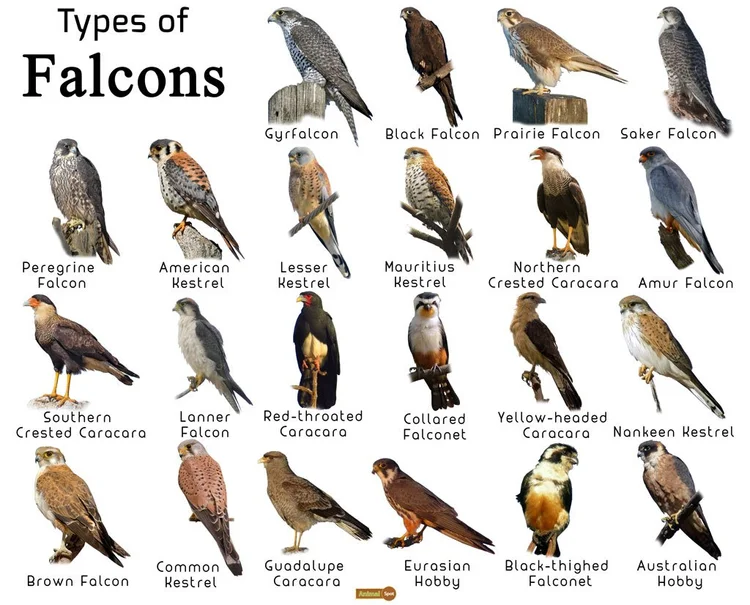
Falcons are birds of prey in the genus Falco, which includes about 40 species. They are widely distributed on all continents of the world except Antarctica, though closely related raptors did occur there in the Eocene. Falcons are not closely related to other birds of prey, and their nearest relatives are parrots and songbirds. Adult falcons have thin, tapered wings, enabling them to fly at high speed and change direction rapidly. Fledgling falcons, in their first year of flying, have longer flight feathers, which make their configuration more like that of a general-purpose bird such as a broad wing. This makes flying easier while learning the exceptional skills required to be effective hunters as adults. The largest falcon is the gyrfalcon at up to 65 cm in length (~2.1 feet). The smallest falcon species is the pygmy falcon, which measures just 20 cm (~1.6 feet). Some small falcons with long, narrow wings are called "hobbies", while the ones that hover while hunting are called "kestrels".
|
|
Falcons possess exceptional eyesight, capable of detecting prey from great distances, while their aerodynamic design allows them to achieve astonishing speeds during pursuit. They exhibit a wide range of habitats, from deserts and grasslands to mountains and forests. Despite their solitary nature outside the breeding season, falcons occasionally congregate in large numbers during migration, displaying their communal behavior. What sets the peregrine falcon apart is its unparalleled speed, making it the fastest animal on the planet. During a stoop, its hunting dive, it can reach speeds exceeding 200 miles per hour (320 km/h), a feat unmatched by any other bird. This incredible velocity is facilitated by its streamlined body, narrow wings, and specialized respiratory system, which allows it to breathe efficiently even at high speeds. Tucking its wings close to its body, it plummets earthward with astonishing velocity, striking its prey and earning its nickname of nature’s Top Gun. Importantly, the peregrine falcon's talons are equipped with sharp, curved claws, enabling it to seize and immobilize prey mid-flight. Its diet is diverse, ranging from small birds to medium-sized mammals, with some individuals even preying on other raptors.
|
|
Historically, falcons have held significant cultural and symbolic importance. In ancient civilizations such as ancient Egypt and Mesopotamia, falcons were revered as symbols of divinity and power, often associated with gods of the sky and sun. In medieval Europe, falconry, the art of training falcons for hunting, became a noble pursuit reserved for royalty and aristocracy, symbolizing wealth, status, and skill. Additionally, falcons serve as valuable assets in modern conservation efforts, particularly in controlling pest populations in urban areas and safeguarding agricultural crops from avian pests. Despite their awe-inspiring abilities and cultural significance, falcons face numerous threats in the wild. Habitat loss, pollution, and illegal hunting pose significant challenges to falcon populations worldwide, highlighting the importance of conservation initiatives and habitat preservation to ensure their survival. Sources: https://www.trvst.world/biodiversity/types-of-falcons/ https://en.wikipedia.org/wiki/Falcon https://www.animalspot.net/falcon
|
Mindset“If the broad light of day could be let in upon men's actions, it would purify them as the sun disinfects.” — Louis Brandeis
|
|
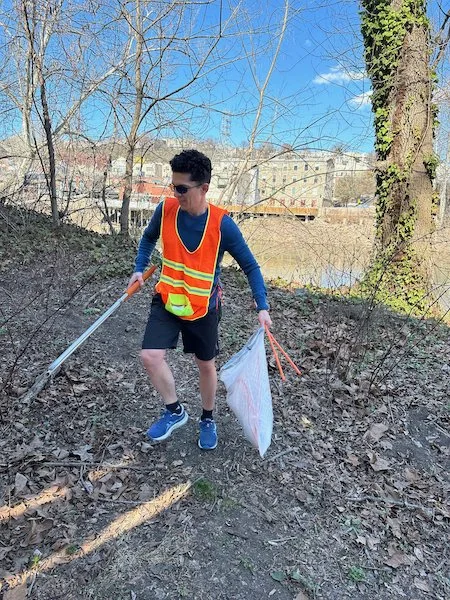
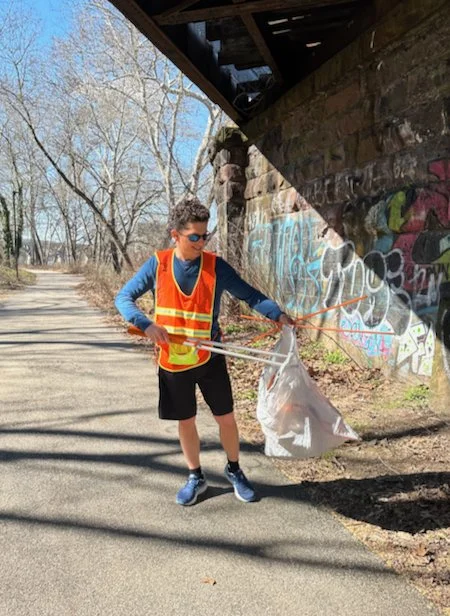
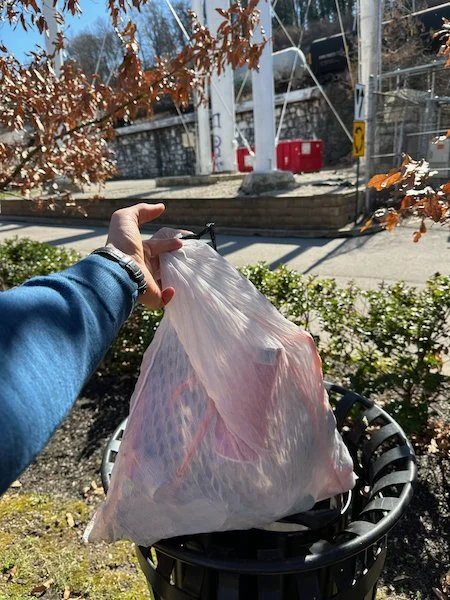
On the action front, my sister visited over the weekend, so we took advantage of the opportunity and did a quick cleanup together near Philadelphia. In about 45 minutes we gathered ~15 lbs. of litter from a portion of the Cynwyd Heritage Trail, overlooking the Schuylkill River and Manayunk. Similar to prior trail cleanups, most items consisted of food and beverage packaging.
|
|
On the knowledge gathering front, I updated the Lexicon of Key Environmental Terms, with a few words I learned while researching the falcon, such as the tomium. The tomium is the sharp cutting edge of the beak of a bird or the bill of a turtle.
|

|
|
Sun, Mar 17
Key words in environmental science and nature. |
|
|
|
If you found this newsletter helpful or interesting, please share with your friends, contacts, and anyone you know who may benefit from following my journey. Let’s gain some knowledge, and take action toward a cleaner, healthier world! Thank you. Razvan
|
|
|
|