|
Your weekly newsletter from OneBeautifulPlanet.org! Knowledge and action for a cleaner, healthier world͏ ͏ ͏ ͏ ͏ ͏ ͏ ͏ ͏ ͏ ͏ ͏ ͏ ͏ ͏ ͏ ͏ ͏ ͏ ͏ ͏ ͏ ͏ ͏ ͏ ͏ ͏ ͏ ͏ ͏ ͏ ͏ ͏ ͏ ͏ ͏ ͏ ͏ ͏ ͏ ͏ ͏ ͏ ͏ ͏ ͏ ͏ ͏ ͏ ͏ ͏ ͏ ͏ ͏ ͏ ͏ ͏ ͏ ͏ ͏ ͏ ͏ ͏ ͏ ͏ ͏ ͏ ͏ ͏ ͏ ͏ ͏ ͏ ͏ ͏ ͏ ͏ ͏ ͏ ͏ ͏ ͏ ͏ ͏ ͏ ͏ ͏ ͏ ͏ ͏ ͏ ͏ ͏ ͏ ͏ ͏ ͏ ͏ ͏ ͏ ͏ ͏ ͏ ͏ ͏ ͏ ͏ ͏ ͏ ͏ ͏ ͏ ͏ ͏ ͏ ͏ ͏ ͏ ͏ ͏ ͏ ͏ ͏ ͏ ͏ ͏ ͏ ͏ ͏ ͏ ͏ ͏ ͏ ͏ ͏ ͏ ͏ ͏ ͏ ͏ ͏ ͏ ͏ ͏ ͏ ͏ ͏ ͏ ͏ ͏ ͏ ͏ ͏ ͏ ͏ ͏ ͏ ͏ ͏ ͏ ͏ ͏ ͏ ͏ ͏ ͏ ͏ ͏ ͏ ͏ ͏ ͏ ͏ ͏ ͏ ͏ ͏ ͏ ͏ ͏ ͏ ͏ ͏ ͏ ͏ ͏ ͏ ͏ ͏ ͏ ͏ ͏ ͏ ͏ ͏ ͏ ͏ ͏ ͏ ͏ ͏ ͏ ͏ ͏ ͏ ͏ ͏ ͏ ͏ ͏ ͏ ͏ ͏ ͏ ͏ ͏ ͏ ͏ ͏ ͏ ͏ ͏ ͏ ͏ ͏ ͏ ͏ ͏ ͏ ͏ ͏ ͏ ͏ ͏ ͏ ͏ ͏ ͏ ͏ ͏ ͏ ͏ ͏ ͏ ͏ ͏ ͏ ͏ ͏ ͏ ͏ ͏ ͏ ͏ ͏
|
February 25, 2024 Hi and welcome to the OneBeautifulPlanet.org newsletter #36! This message goes to my 186 subscribers, with a big Thank you for signing up. If you have just subscribed, check out the weekly Newsletter archive. I wrote the first issue in June 2023, and an overview of the weekly effort at the 100th subscriber milestone.
|
|
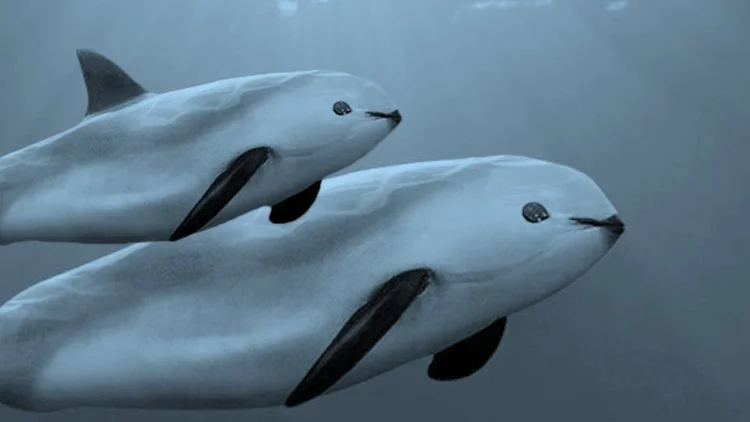
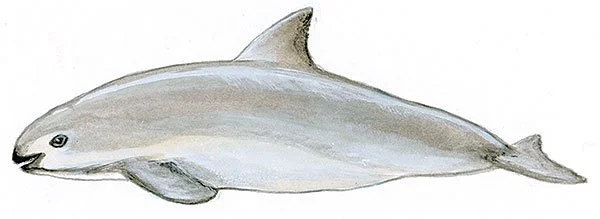
I start every newsletter with a person, animal, or plant that inspired or intrigued me. It is a moment of reflection and gratitude, meant to find lessons and nurture curiosity. Last week I featured Donella Meadows, while previous weeks included animals like the albatross, the oyster, and the bison, and luminaries such as Buckminster Fuller and Sylvia Earle. The vaquita is a critically endangered porpoise that can be found in the northern end of the Gulf of California in Baja California, Mexico. Although similar to dolphins, porpoises are more closely related to narwhals and belugas than to the true dolphins. What makes the vaquita special? Well, by the time you finish reading this email there may in fact not be any left in the world. It is estimated that only ten vaquitas are still alive, and no one knows for sure.
|
|
The vaquita displays a black lip liner just skirting the edges of its mouth. Its eyes are cradled in circular black holes, giving it the nickname ‘Panda of the Sea’. Vaquitas are generally seen alone or in pairs, often with a calf. They are generalists, foraging on a variety of demersal fish species, crustaceans, and squids, though benthic fish (fish that live right on the ocean floor) such as grunts and croakers make up most of the diet. Vaquitas live in shallow, turbid waters of less than 150 m (~450 ft) depth and remain one of the most cryptic creatures in the world. They exhibit extremely shy behavior, which limits sightings and interactions. It took many years for scientists to learn what we know today about the vaquita. Current knowledge is based on sightings of live animals, observations of stranded or trapped animals, and necropsies. While we still have much to learn, there is little time remaining – the extinction of the vaquita is almost a certainty.
|
|
My research into the vaquita included watching a powerful 30-minute documentary by Matthew Podolsky and Sean Bogle, called “Souls of the Vermillon Sea”. Set in a small fishing community in Baja California, Mexico, the film provides a valuable perspective at the intersection of human sustenance, world trade, and marine life. It highlights the threat of extinction of the vaquita by the illegal fishing of the totoaba, a species of fish. Formerly abundant and subject to an intensive fishery, the totoaba has become rare, and is listed by the Convention on International Trade in Endangered Species of Wild Fauna and Flora. A key threat to the totoaba is indeed from human poaching: its swim bladder is a valuable commodity, as it is considered a delicacy in Chinese cuisine, while the meat is sought-after for making soups. It can fetch extremely high prices as it is erroneously believed by many in China to be a treatment for fertility, circulatory, and skin problems. Economic forces such as market demand for the totoaba, and the difficulty in enforcing anti-poaching laws in rural, seaside communities with little alternatives to fishing for whatever brings the highest value, are key parts of the story. They highlight the peril that many animal species like the vaquita find themselves in: caught in a physical and metaphorical net with no way to escape or survive.
|
|
What should we do with all this? Can the cute and cuddly vaquita be saved? George Carlin’s deeply sarcastic, but on-point comedy bit on the topic of saving endangered species is relevant and informative, and I include it below. Here’s a quick excerpt : “Saving endangered species is just one more arrogant attempt by humans to control nature. It’s arrogant meddling, it’s what got us in trouble in the first place.” The awareness of critically endangered animals disappearing due to human interactions should indeed serve as a wakeup call. And in my view, rather than succumbing to despair or knee-jerk reaction to protect this or that individual species, this recognition should motivate pretty much everyone to become environmental activists in a more general sense. To be clear, we should absolutely do what we can to protect our environment, biodiversity, and be better stewards of our one, beautiful planet. But as George Carlin hints at, anything involving nature and the environment is best done with a heavy dose of realism and humility. And yes, even a bit of levity. Sources:
|

|
|
What is life without laughter ? Here are several handpicked funny standup comedians talking about environmental matters |
|
|
Mindset“The people have a right to clean air, pure water, and to the preservation of the natural, scenic, historic and esthetic values of the environment. Pennsylvania's public natural resources are the common property of all the people, including generations yet to come. As trustee of these resources, the Commonwealth shall conserve and maintain them for the benefit of all the people.” — Article I, Section 27, Pennsylvania Constitution
|
|
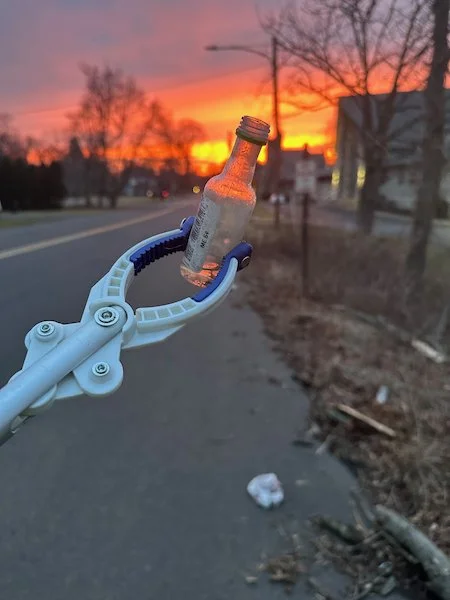
On the action front, the past week has been busy. The most I could make time for was a quick cleanup on Friday after work. What is important though, is consistently showing up! Just as I write and send this newsletter every Sunday, I also take environmental action on a weekly basis, even if small or seemingly insignificant. In this case it was only 15 minutes:
|
|
As Goethe said, “Let everyone sweep in front of his own door, and the whole world will be clean”. So putting on my yellow vest, and picking up some of the roadside trash before sunset is exactly that: an effort to make the world just a tiny bit better. It’s not our trash, but it’s our public place! I posted these pictures and a quick summary on Nextdoor.com, so if just one person in the area feels inspired to act as a result, and join forces, I consider even a brief, cleanup a success.
|

|
|
Are you ready to take action and join the movement? Together, we can create a cleaner, healthier world. All tools provided! Just bring a healthy dose of appetite to make the world better. |
|
|
|
If you found this newsletter helpful or interesting, please share with your friends, contacts, and anyone you know who may benefit from following my journey. Let’s gain some knowledge, and take action toward a cleaner, healthier world! Thank you. Razvan
|
|
|
|