|
Your weekly newsletter from OneBeautifulPlanet.org! Knowledge and action for a cleaner, healthier world͏ ͏ ͏ ͏ ͏ ͏ ͏ ͏ ͏ ͏ ͏ ͏ ͏ ͏ ͏ ͏ ͏ ͏ ͏ ͏ ͏ ͏ ͏ ͏ ͏ ͏ ͏ ͏ ͏ ͏ ͏ ͏ ͏ ͏ ͏ ͏ ͏ ͏ ͏ ͏ ͏ ͏ ͏ ͏ ͏ ͏ ͏ ͏ ͏ ͏ ͏ ͏ ͏ ͏ ͏ ͏ ͏ ͏ ͏ ͏ ͏ ͏ ͏ ͏ ͏ ͏ ͏ ͏ ͏ ͏ ͏ ͏ ͏ ͏ ͏ ͏ ͏ ͏ ͏ ͏ ͏ ͏ ͏ ͏ ͏ ͏ ͏ ͏ ͏ ͏ ͏ ͏ ͏ ͏ ͏ ͏ ͏ ͏ ͏ ͏ ͏ ͏ ͏ ͏ ͏ ͏ ͏ ͏ ͏ ͏ ͏ ͏ ͏ ͏ ͏ ͏ ͏ ͏ ͏ ͏ ͏ ͏ ͏ ͏ ͏ ͏ ͏ ͏ ͏ ͏ ͏ ͏ ͏ ͏ ͏ ͏ ͏ ͏ ͏ ͏ ͏ ͏ ͏ ͏ ͏ ͏ ͏ ͏ ͏ ͏ ͏ ͏ ͏ ͏ ͏ ͏ ͏ ͏ ͏ ͏ ͏ ͏ ͏ ͏ ͏ ͏ ͏ ͏ ͏ ͏ ͏ ͏ ͏ ͏ ͏ ͏ ͏ ͏ ͏ ͏ ͏ ͏ ͏ ͏ ͏ ͏ ͏ ͏ ͏ ͏ ͏ ͏ ͏ ͏ ͏ ͏ ͏ ͏ ͏ ͏ ͏ ͏ ͏ ͏ ͏ ͏ ͏ ͏ ͏ ͏ ͏ ͏ ͏ ͏ ͏ ͏ ͏ ͏ ͏ ͏ ͏ ͏ ͏ ͏ ͏ ͏ ͏ ͏ ͏ ͏ ͏ ͏ ͏ ͏ ͏ ͏ ͏ ͏ ͏ ͏ ͏ ͏ ͏ ͏ ͏ ͏ ͏ ͏ ͏ ͏ ͏ ͏ ͏ ͏ ͏
|
Hi and welcome to my eighth e-mail newsletter! This message goes to my 31 subscribers with a big Thank you for signing up. Here are the prior newsletters, if you did not receive them or would like to read some history (also, please don’t forget to check your Spam folder). Razvan
|
|
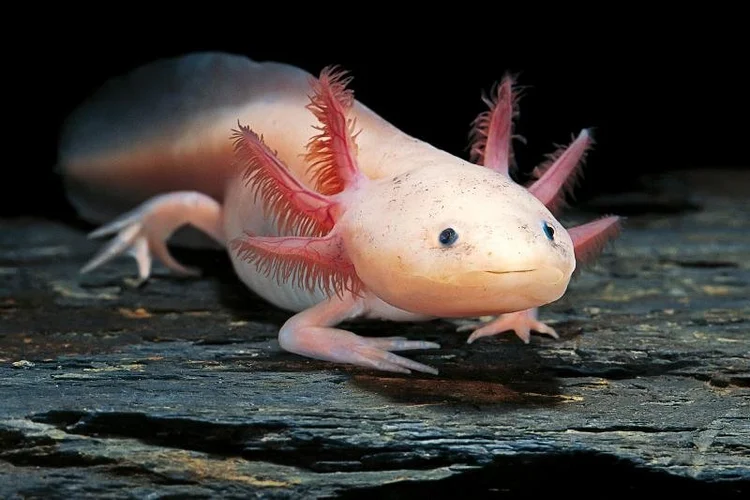
For every newsletter I feature an animal, plant, or person that inspired or intrigued me. It is a recognition, a moment of reflection and gratitude toward life on Earth. Last week I featured the the climber, philanthropist, and founder of the apparel and clothing company Patagonia, Yvon Chouinard. Today l am featuring an animal I had no idea existed until a few weeks ago when my kids introduced me to it: the amphibian known as the Axolotl. In the realm of aquatic creatures, the axolotl stands as a remarkable embodiment of nature's ingenuity. With its unique characteristics and adorable look, this creature has captured the hearts and minds of biologists and enthusiasts alike.
|
|
Originating exclusively from the waters of Mexico, the axolotl has evolved to become a symbol of resilience and regeneration. The name "axolotl" has its origins in the Aztec Nahuatl language, where "atl" means water, and "xolotl" refers to the Aztec god of deformations and death. In essence, the name translates to "water monster" or "water dog." This intriguing title offers a glimpse into the ancient mystique that surrounds this creature. Habitat and Size The axolotl's natural habitat is one of cool, slow-moving waters, rich in aquatic vegetation. Unlike other amphibians, the axolotl retains its larval characteristics throughout its life, a phenomenon known as neoteny. This means that it does not undergo the typical metamorphosis into adulthood specific to amphibians, allowing it to remain aquatic and gilled. It basically looks like the equivalent of a baby although it is fully grown.
|
|
Axolotls can vary in size, but they generally range from 6 to 18 inches in length. This makes them a relatively small amphibian, suitable for research (and captive environments…). Regeneration: The Ultimate Marvel Perhaps the most extraordinary feature of the axolotl is its regenerative ability: it possesses the power to regrow lost body parts, including limbs, spinal cord, and even parts of its heart and brain. This remarkable feat is made possible by a unique protein called "axonemal dynein" which is present during its embryonic stage. This protein governs cellular regeneration, allowing the axolotl to regrow tissues without forming scar tissue, a trait uncommon in most vertebrates. It's estimated that they can regenerate the same body part up to five times, before finally developing scar tissue.
|
|
The Dance of Mating As a creature with neotenic traits, axolotls do not undergo the dramatic transformation that leads to full terrestrial life. This extends to their mating rituals, which are enchanting and unique. Before engaging in the act of reproduction, axolotls perform an underwater waltz, which serves as a vital part of their courtship ritual. This dance allows potential mates to assess each other's suitability, enhancing the chances of successful reproduction. |
|
|
|
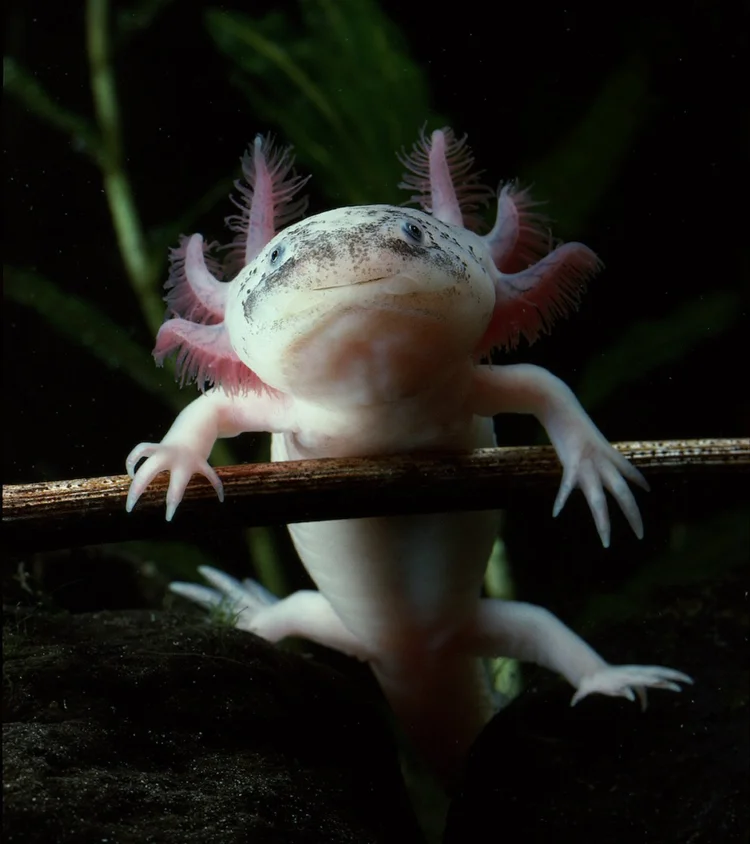
Gills and Lungs: A Dual Respiratory System One of the axolotl's most captivating physical features is its dual respiratory system, which includes both gills and lungs. Although primarily aquatic and gilled, axolotls have the ability to breathe atmospheric oxygen through their lungs. This becomes especially useful when the waters they inhabit are low in oxygen content. The gills, resembling delicate branching structures around their head, are both functional and aesthetically appealing, adding to their allure. Sources:
|
Mindset"Study nature, love nature, stay close to nature. It will never fail you.” — Frank Lloyd Wright Quick words of wisdom are, or have to be, self-evident and require little further explanation. The above is such an example, powerful in its simplicity and message. Additionally, it was refreshing to learn that its source was the architect Frank Lloyd Wright. Architecture holds a special place in my heart, as I have always had an interest in design and the “built environment”, not just nature. As a high school junior I took six months of drawing classes, and considered enrolling in the "Ion Mincu" University of Architecture and Urban Planning, before deciding on finance&banking. See also my 5th newsletter in which I featured architect and inventor Buckminster Fuller.
|
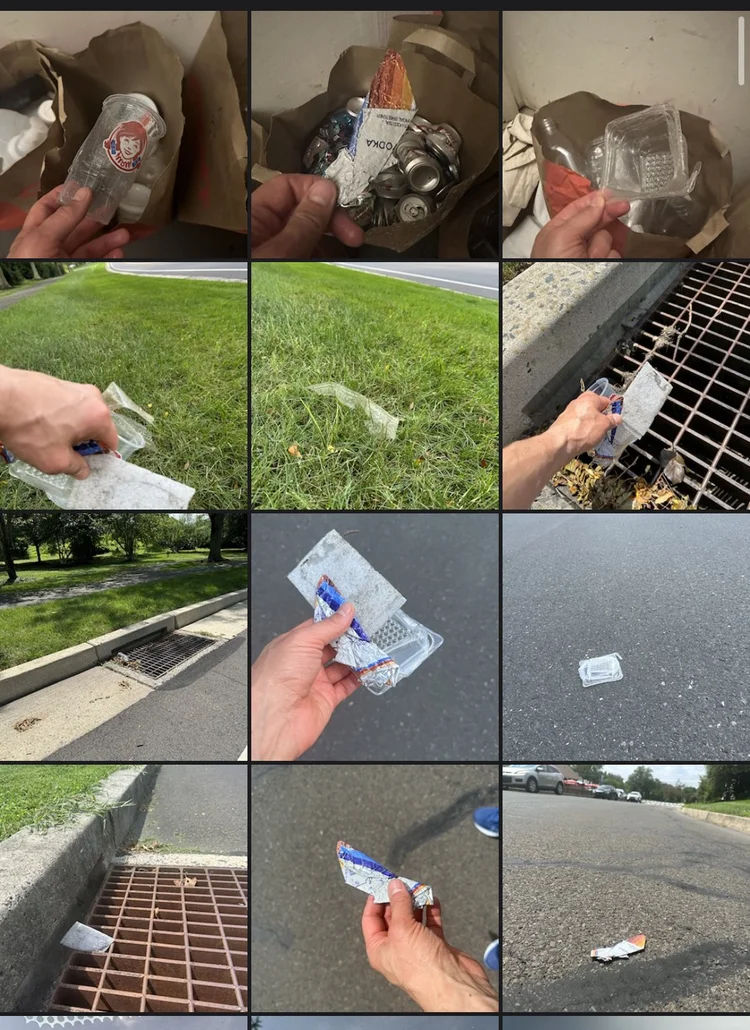
In the WorksNot much new to report, as I have been on vacation this last week. I did complete three quick pick-ups during my jogs, continuing to use my three favorite apps to log the cleanups: CSFN, Pirika and Clean Planet Project. I started posting these on Instagram and Reddit as well, similar to other volunteers I follow. Also, I bought and used an additional littler grabber, while walking through Peddlers Village, a cute outdoor shopping area and park in bucolic Bucks County, PA: the Betterhouseware Reach-It 92/C model. I didn’t even have to use a bag, picking up litter items one or two at at time, and walking them straight to a trash can a few feet away: thus gaining a renewed appreciation for the benefit of well-placed and frequent trash cans in public places. They do help in reducing litter as people have more options to dispose of their trash. I added a few thoughts on this new tool to my review article of litter grabbers.
|
|
On the knowledge front, to keep with the more environmental and nature-focused topics for this week, I am including one of my first articles, an Introduction to Environmental Science. It marked initial efforts when launching the website, under a “back-to-school” theme. Take a read to get a refresher on key concepts. It reflects notes from “Everyone’s World”, a 4-hour introductory course I took on Udemy.com and taught by Dr. David Hackett, Retired Professor / Faculty of Arts and Science – Biology and Chemistry, formerly of Nipissing University in Ontario Canada. Dr. Hackett has been very gracious in reviewing and giving me feedback on the article.
|

|
|
Wed, May 31
Fundamental concepts in environmental science |
|
|
|
If you found this newsletter helpful or interesting, please share with your friends, contacts, and anyone you know who may benefit from following my journey. Let’s gain some knowledge, and take action toward a cleaner, healthier world! Thank you. Razvan
|
|
|
|