|
Your weekly newsletter from OneBeautifulPlanet.org! Knowledge and action for a cleaner, healthier world͏ ͏ ͏ ͏ ͏ ͏ ͏ ͏ ͏ ͏ ͏ ͏ ͏ ͏ ͏ ͏ ͏ ͏ ͏ ͏ ͏ ͏ ͏ ͏ ͏ ͏ ͏ ͏ ͏ ͏ ͏ ͏ ͏ ͏ ͏ ͏ ͏ ͏ ͏ ͏ ͏ ͏ ͏ ͏ ͏ ͏ ͏ ͏ ͏ ͏ ͏ ͏ ͏ ͏ ͏ ͏ ͏ ͏ ͏ ͏ ͏ ͏ ͏ ͏ ͏ ͏ ͏ ͏ ͏ ͏ ͏ ͏ ͏ ͏ ͏ ͏ ͏ ͏ ͏ ͏ ͏ ͏ ͏ ͏ ͏ ͏ ͏ ͏ ͏ ͏ ͏ ͏ ͏ ͏ ͏ ͏ ͏ ͏ ͏ ͏ ͏ ͏ ͏ ͏ ͏ ͏ ͏ ͏ ͏ ͏ ͏ ͏ ͏ ͏ ͏ ͏ ͏ ͏ ͏ ͏ ͏ ͏ ͏ ͏ ͏ ͏ ͏ ͏ ͏ ͏ ͏ ͏ ͏ ͏ ͏ ͏ ͏ ͏ ͏ ͏ ͏ ͏ ͏ ͏ ͏ ͏ ͏ ͏ ͏ ͏ ͏ ͏ ͏ ͏ ͏ ͏ ͏ ͏ ͏ ͏ ͏ ͏ ͏ ͏ ͏ ͏ ͏ ͏ ͏ ͏ ͏ ͏ ͏ ͏ ͏ ͏ ͏ ͏ ͏ ͏ ͏ ͏ ͏ ͏ ͏ ͏ ͏ ͏ ͏ ͏ ͏ ͏ ͏ ͏ ͏ ͏ ͏ ͏ ͏ ͏ ͏ ͏ ͏ ͏ ͏ ͏ ͏ ͏ ͏ ͏ ͏ ͏ ͏ ͏ ͏ ͏ ͏ ͏ ͏ ͏ ͏ ͏ ͏ ͏ ͏ ͏ ͏ ͏ ͏ ͏ ͏ ͏ ͏ ͏ ͏ ͏ ͏ ͏ ͏ ͏ ͏ ͏ ͏ ͏ ͏ ͏ ͏ ͏ ͏ ͏ ͏ ͏ ͏ ͏ ͏
|
Hi there and welcome to e-mail newsletter # 12! This message goes to my 43 subscribers with a big Thank you for signing up. If you have not yet explored the OneBeautifulPlanet.org Newsletter archive, check it out. I wrote the first issue in June 2023.
|
|
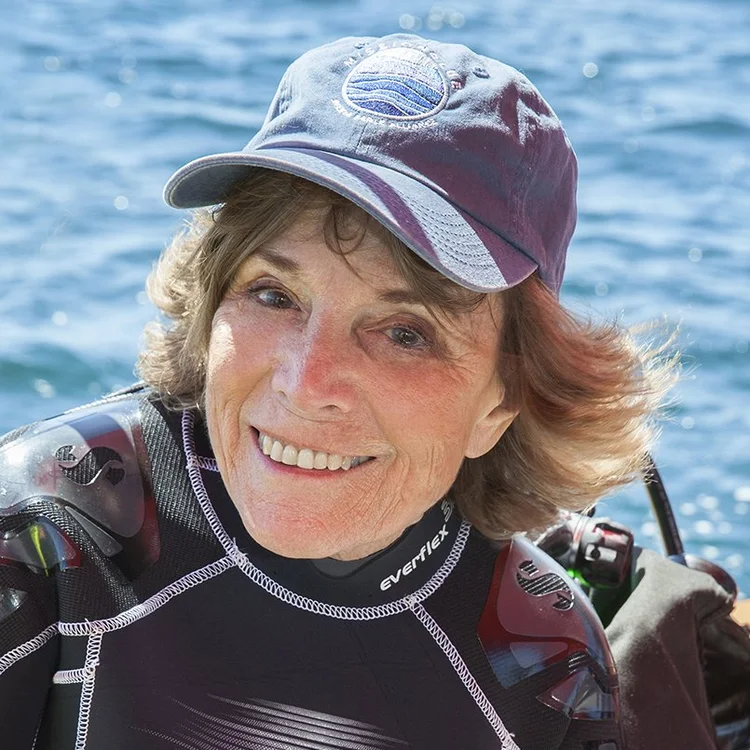
For every newsletter I feature an animal, plant, or person that inspired or intrigued me. It is a moment of reflection and gratitude toward life on Earth, meant to find lessons and nurture curiosity. Last week I featured Carl Sagan, and prior weeks included animals like the cicada, the shark, and the albatross, and luminaries such as Buckminster Fuller and Ellen MacArthur. I first learned of Sylvia Earle from the Netflix documentary Seaspiracy, which I watched a few weeks ago. I wanted to learn more about her and her career as an oceanographer, and quickly learned Sylvia Earle has in fact been called “the Jane Goodall of the oceans”: she’s one of the most well known advocates for protecting nature, our oceans, marine life, and generally for combatting climate change. At the COP 26 conference in Glasglow a couple of years ago, she was on the same stage as Al Gore and John Kerry. Now in her late eighties, she still dives, and has clocked up more than 7,000 hours underwater, holding several records, including in 1979 for the deepest untethered dive by a woman.
|
|
Sylvia Earle was born August 30, 1935 in Gibbstown, New Jersey. When she was young, she moved to the Western Coast in Florida where she developed a love for the ocean. She then attended three different colleges in 1952 St. Petersburg Jr. College, in 1955 Florida State University, and during 1956 Duke University. She obtained several degrees such as associate degree, bachelor of science, master of science, and phycology (also called algology, or the study of algae). Today she is known as a marine biologist, explorer, author, and lecturer. She has been part of National Geographic since 1998. Earle was the first female chief scientist in the U.S National Oceanic and Atmospheric Administration, and was named by Time Magazine as its fist Hero of the Planet. Sylvia's career took her to some of the most remote and challenging underwater environments on the planet. She was among the first to use modern scuba equipment, breaking gender barriers and proving that women could excel in the field of oceanography. Her pioneering research in deep-sea ecosystems and the study of marine life in extreme conditions opened new frontiers in our understanding of the oceans.
|
|
Sylvia Earle's work extended far beyond scientific discovery. She is a tireless advocate for ocean conservation. Her eloquent and impassioned pleas to protect our seas resonate with people around the world. Sylvia's efforts led to the establishment of marine sanctuaries and the protection of vital ecosystems, helping to ensure the survival of many sea life species. One of Sylvia Earle's most enduring legacies is her belief in the power of education and awareness. She understood that to protect the oceans, we must first inspire a love for them. Through books, documentaries, and public speaking engagements, she shared her knowledge and passion with people of all ages, sparking a sense of wonder and responsibility for the seas. Sylvia's life and work remind us that each individual can make a profound impact on the world. Her dedication to ocean exploration and conservation serves as a sign of hope in a time when our oceans face massive challenges, such as those arising from the commercial fishing industry. She teaches us that it's not enough to admire the beauty of our oceans from afar; we must actively work to protect them. I found her work and life deeply inspiring. I am including one of her quotes under my usual Mindset section below, honoring her work and her thoughtful encouragement and motivation: now is the best time to act. Our knowledge is a superpower, and we must use it to do the right thing. That usually starts with accounting for the true cost to our natural world that our history of depleting the Earth’s resources has wrought, especially over the past several decades and more broadly since the start of the industrial revolution.
|
Mindset"I can’t despair. Because the knowledge is really there. And it’s our superpower. We have to match our superpower of knowing, with an equally important superpower of caring. We have to want to take this knowledge and consider this as a time of greatest opportunity ever. We know what to do, and there are business opportunities. But we have to get smarter about accounting for the real cost. If enough people start moving in the right direction, we’ll get there.” — Sylvia Earle , on the Rich Roll Podcast Feb-7-2022
|
|
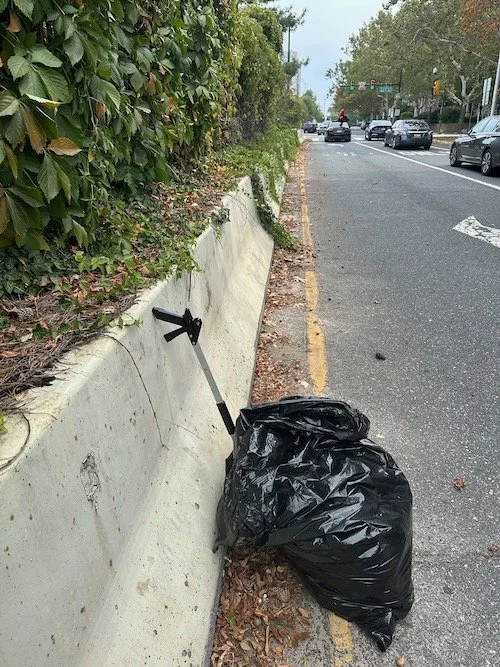
Over the past week I completed one cleanup which was relatively sizable. It only took about 30-40 minutes, but I filled a large bag, restoring a public area in Philadelphia to what it look like before litter piled up (among the unusual items I found are credit cards, a driver license, and a pair of what looked like platform sandals; otherwise, most litter is what one may expect on the side of the road: packaging for food, alcohol, or tobacco type products). Interestingly, it is the second time I am cleaning this area - see newsletter #3, from early July. It is the off ramp from Route 676 East on my way to work in downtown Philadelphia, before the intersection of Winter St and 23rd St. Conveniently, I was able to walk the bulky (and by-the-end-of-it heavy) trash bag to a large public trash can near the Benjamin Franklin Parkway.
|
|
On the advancing knowledge front, I took a course on Udemy.com on “Climate Change and Sustainability Essentials”. I summarized my notes in a new article under the Knowledge section of the website, also linked below: Climate Change: Fundamental Concepts. It was interesting to learn the relatively straightforward history of climate change science: it all started with the measurement of CO2 particles in the atmosphere in the 1950s. It was then that scientists and the world at large realized that the gases coming out of human industrial activity were accumulating in the atmosphere, amplifying the delicate and favorable greenhouse balance that Earth was enjoying. Before then, everyone was mostly assuming, well.. that gases somehow just dissipate. Since the 1950s, scientists have been able to track the steady increase and dangerous accumulation of CO2, methane, and other greenhouse gases which are increasingly adversely contributing to the gradual warming of our planet. To end this newsletter on a lighter note, here’s a selection of YouTube videos I compiled a few weeks ago in a blog post: Comedians on the Environment. My favorite are probably Louis CK’s and George Carlin’s. (Please let me know if you find others, so I can add them!). And if you think the humor is even more depressing or that these comedians are cynical, remember that I am not just sitting idle and poking fun: my goal with OneBeautifulPlanet.org is to provide knowledge and education, coupled with tracking my own concrete actions. So since I am doing something about the environment, laughing about how dire the situation may be is well earned! I consider it motivation that is both sobering and enjoyable.
|
|
|
Sat, Sep 09
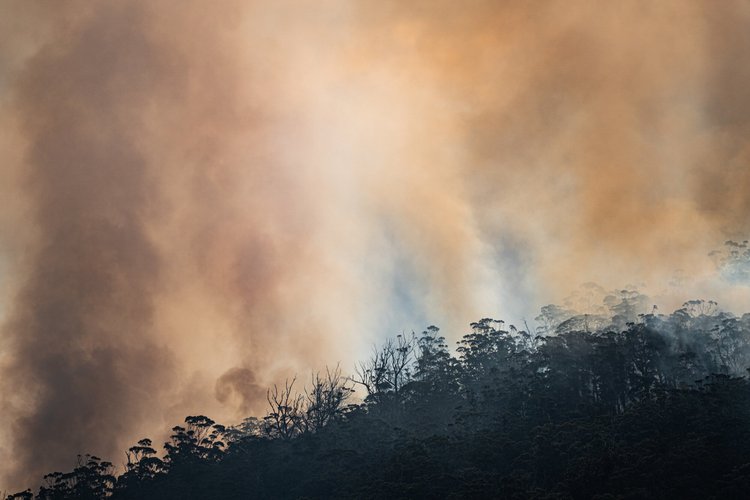
Explore the fundamentals of climate change, from the altering atmosphere and greenhouse gases to trends in polar ice sheets and rising sea levels. Learn how forests and the biosphere play a role in |
|
|

|
|
Thu, Jun 01
What is life without laughter ? Here are several handpicked funny standup comedians talking about environmental matters |
|
|
|
If you found this newsletter helpful or interesting, please share with your friends, contacts, and anyone you know who may benefit from following my journey. Let’s gain some knowledge, and take action toward a cleaner, healthier world! Thank you. Razvan
|
|
|
|