|
Your weekly newsletter from OneBeautifulPlanet.org! Knowledge and action for a cleaner, healthier world͏ ͏ ͏ ͏ ͏ ͏ ͏ ͏ ͏ ͏ ͏ ͏ ͏ ͏ ͏ ͏ ͏ ͏ ͏ ͏ ͏ ͏ ͏ ͏ ͏ ͏ ͏ ͏ ͏ ͏ ͏ ͏ ͏ ͏ ͏ ͏ ͏ ͏ ͏ ͏ ͏ ͏ ͏ ͏ ͏ ͏ ͏ ͏ ͏ ͏ ͏ ͏ ͏ ͏ ͏ ͏ ͏ ͏ ͏ ͏ ͏ ͏ ͏ ͏ ͏ ͏ ͏ ͏ ͏ ͏ ͏ ͏ ͏ ͏ ͏ ͏ ͏ ͏ ͏ ͏ ͏ ͏ ͏ ͏ ͏ ͏ ͏ ͏ ͏ ͏ ͏ ͏ ͏ ͏ ͏ ͏ ͏ ͏ ͏ ͏ ͏ ͏ ͏ ͏ ͏ ͏ ͏ ͏ ͏ ͏ ͏ ͏ ͏ ͏ ͏ ͏ ͏ ͏ ͏ ͏ ͏ ͏ ͏ ͏ ͏ ͏ ͏ ͏ ͏ ͏ ͏ ͏ ͏ ͏ ͏ ͏ ͏ ͏ ͏ ͏ ͏ ͏ ͏ ͏ ͏ ͏ ͏ ͏ ͏ ͏ ͏ ͏ ͏ ͏ ͏ ͏ ͏ ͏ ͏ ͏ ͏ ͏ ͏ ͏ ͏ ͏ ͏ ͏ ͏ ͏ ͏ ͏ ͏ ͏ ͏ ͏ ͏ ͏ ͏ ͏ ͏ ͏ ͏ ͏ ͏ ͏ ͏ ͏ ͏ ͏ ͏ ͏ ͏ ͏ ͏ ͏ ͏ ͏ ͏ ͏ ͏ ͏ ͏ ͏ ͏ ͏ ͏ ͏ ͏ ͏ ͏ ͏ ͏ ͏ ͏ ͏ ͏ ͏ ͏ ͏ ͏ ͏ ͏ ͏ ͏ ͏ ͏ ͏ ͏ ͏ ͏ ͏ ͏ ͏ ͏ ͏ ͏ ͏ ͏ ͏ ͏ ͏ ͏ ͏ ͏ ͏ ͏ ͏ ͏ ͏ ͏ ͏ ͏ ͏ ͏
|
February 4, 2024 Hi and welcome to the OneBeautifulPlanet.org newsletter #33! This message goes to my 164 subscribers, with a big Thank you for signing up. If you have just subscribed, feel free to check out the weekly Newsletter archive. I wrote the first issue in June 2023, and an overview of the weekly effort at the 100 subscriber milestone.
|
|
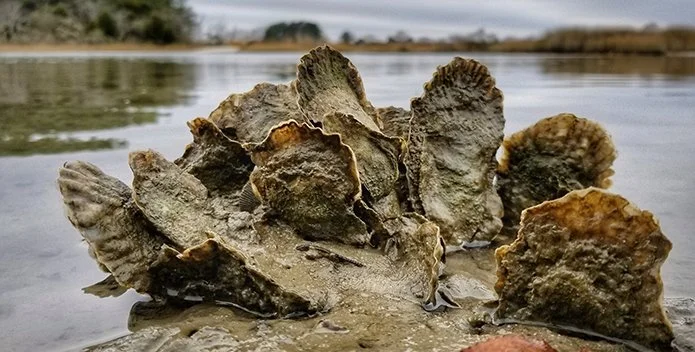
I start every newsletter with a person, animal, or plant that inspired or intrigued me. It is a moment of reflection and gratitude, meant to find lessons and nurture curiosity. Last week I featured Chad Pregracke, while prior weeks included animals like the axolotl, the albatross, and luminaries such as Buckminster Fuller and Sylvia Earle. Earlier this week, I learned about the Billion Oyster Project, a New York City-based organization with the goal of engaging one million people in the effort to restore one billion oysters to New York Harbor by 2035. The reason behind the effort is that oysters are filter feeders and serve as a natural water filter, with several beneficial effects for the ecosystem. I was fascinated by this as I had no idea these creatures play such an important role.
|
|
My first memory of oysters is from watching Alice in Wonderland in Romania on VHS tapes as a child. Later on, when I moved to London and then to the United States, I started enjoyed them (and still do) as a delicious appetizer. I never thought for a second of their role in the ecosystem, and in my distracted ignorance always viewed them simply as a culinary delicacy. As it turns out, oysters play a crucial and often overlooked role in maintaining the health of aquatic environments. They are environmental engineers that contribute significantly to the balance and well-being of coastal areas. One of their most remarkable abilities is natural water filtration, which not only supports the oysters themselves but also benefits the entire ecosystem. Oyster reefs provide habitat for hundreds of species, and can protect human developments from storm damage — softening the blow of large waves, reducing flooding, and preventing erosion along shorelines.
|
|
Oysters filter water through a process known as "filter feeding" or "suspension feeding." This remarkable ability allows oysters to extract particles and organic matter from the surrounding water, playing a key role in maintaining water quality. By actively filtering water, oysters remove excess nutrients, suspended sediments, and harmful bacteria, ultimately improving water quality for everyone else in their surrounding habitat. Despite their ecological significance, oyster populations face numerous threats, including overharvesting, habitat loss, and disease. Human activities such as coastal development, pollution, fertilizer runoff, and climate change further exacerbate these challenges. Recognizing the vital role of oysters in maintaining healthy ecosystems, conservation and restoration efforts are underway in many regions, such as the New York Harbor or the Chesapeake Bay.
|
|
Restoration projects involve the cultivation and reintroduction of oysters to degraded habitats. These initiatives aim to rebuild oyster populations, enhance water quality, and restore the ecological balance of coastal environments. Therefore, by supporting these endeavors, people can contribute to the preservation of not only the oyster populations but also the broader health and resilience of their local ecosystems. As humans continue to impact waterways and coastal areas, recognizing and protecting the ecological services provided by oysters becomes increasingly important. Conservation and restoration efforts can ensure the sustainability of oyster populations, preserving their key contributions to the balance and well-being of our planet's coastal ecosystems. Sources: https://en.wikipedia.org/wiki/Oyster https://www.cbf.org/about-the-bay/chesapeake-wildlife/eastern-oysters/oyster-fact-sheet.html https://www.billionoysterproject.org/
|
Mindset“I think having land and not ruining it is the most beautiful art that anybody could ever want to own.” — Andy Warhol
|
|
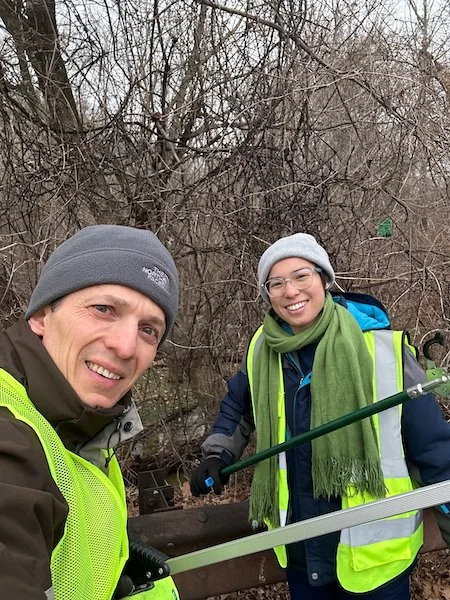
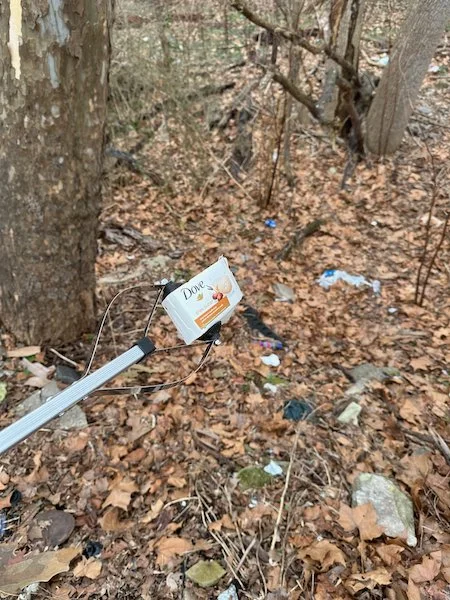
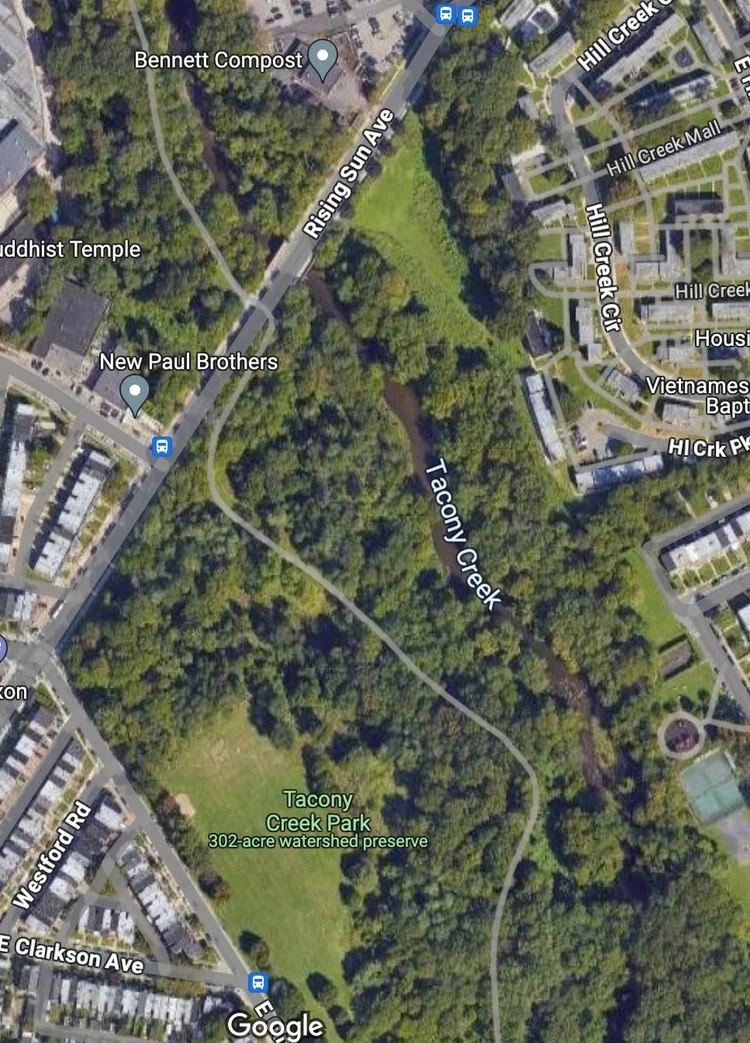
On the action front, I completed my fifth cleanup of the year at Takony Creek Park in Philadelphia. In just under two hours, together with Shelby from Bennett Compost, I helped clean up close to 150 lbs. of trash from the park. I wrote a detailed account of the experience, with a few takeaways in the post linked below:
|
|
On the gaining knowledge front, I completed a piece of research into solar-paneled catamarans, and a specific one that will be deployed in the Delaware River later this summer. Stay tuned, more to come on this topic soon!
|
|
|
Sun, Feb 04
Volunteering to pick up litter at Takony Creek Park in Philadelphia with local compost company Bennett Compost |
|
|
|
If you found this newsletter helpful or interesting, please share with your friends, contacts, and anyone you know who may benefit from following my journey. Let’s gain some knowledge, and take action toward a cleaner, healthier world! Thank you. Razvan
|
|
|
|