|
Your weekly newsletter from OneBeautifulPlanet.org! Knowledge and action for a cleaner, healthier world͏ ͏ ͏ ͏ ͏ ͏ ͏ ͏ ͏ ͏ ͏ ͏ ͏ ͏ ͏ ͏ ͏ ͏ ͏ ͏ ͏ ͏ ͏ ͏ ͏ ͏ ͏ ͏ ͏ ͏ ͏ ͏ ͏ ͏ ͏ ͏ ͏ ͏ ͏ ͏ ͏ ͏ ͏ ͏ ͏ ͏ ͏ ͏ ͏ ͏ ͏ ͏ ͏ ͏ ͏ ͏ ͏ ͏ ͏ ͏ ͏ ͏ ͏ ͏ ͏ ͏ ͏ ͏ ͏ ͏ ͏ ͏ ͏ ͏ ͏ ͏ ͏ ͏ ͏ ͏ ͏ ͏ ͏ ͏ ͏ ͏ ͏ ͏ ͏ ͏ ͏ ͏ ͏ ͏ ͏ ͏ ͏ ͏ ͏ ͏ ͏ ͏ ͏ ͏ ͏ ͏ ͏ ͏ ͏ ͏ ͏ ͏ ͏ ͏ ͏ ͏ ͏ ͏ ͏ ͏ ͏ ͏ ͏ ͏ ͏ ͏ ͏ ͏ ͏ ͏ ͏ ͏ ͏ ͏ ͏ ͏ ͏ ͏ ͏ ͏ ͏ ͏ ͏ ͏ ͏ ͏ ͏ ͏ ͏ ͏ ͏ ͏ ͏ ͏ ͏ ͏ ͏ ͏ ͏ ͏ ͏ ͏ ͏ ͏ ͏ ͏ ͏ ͏ ͏ ͏ ͏ ͏ ͏ ͏ ͏ ͏ ͏ ͏ ͏ ͏ ͏ ͏ ͏ ͏ ͏ ͏ ͏ ͏ ͏ ͏ ͏ ͏ ͏ ͏ ͏ ͏ ͏ ͏ ͏ ͏ ͏ ͏ ͏ ͏ ͏ ͏ ͏ ͏ ͏ ͏ ͏ ͏ ͏ ͏ ͏ ͏ ͏ ͏ ͏ ͏ ͏ ͏ ͏ ͏ ͏ ͏ ͏ ͏ ͏ ͏ ͏ ͏ ͏ ͏ ͏ ͏ ͏ ͏ ͏ ͏ ͏ ͏ ͏ ͏ ͏ ͏ ͏ ͏ ͏ ͏ ͏ ͏ ͏ ͏ ͏
|
Hi and welcome to e-mail newsletter # 10! This message goes to my 39 subscribers with a big Thank you for signing up. Here are the prior newsletters, if you did not receive them or would like to read some history (also, please don’t forget to check your Spam folder). Razvan
|
|
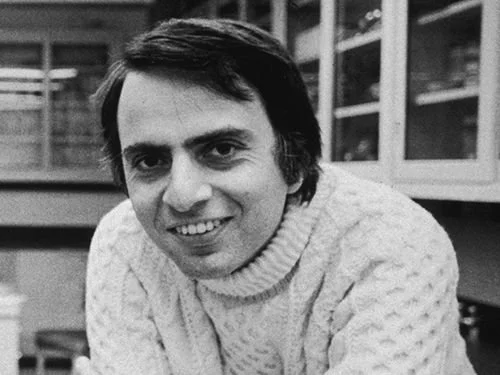
For every newsletter I feature an animal, plant, or person that inspired or intrigued me. It is a recognition, a moment of reflection and gratitude toward life on Earth. Last week I featured sharks, while prior weeks included animals like the cicada, the jumping spider, and the albatross; and luminaries such as Yvon Chouinard and Ellen MacArthur. I recently came across several speeches by Carl Sagan, one of the most influential astronomers and science communicators of the 20th century. This prompted me to learn more about him and his contributions to science and education. Carl Sagan was born in Brooklyn, New York in 1934, and as a child became fascinated with natural science. Later on he earned a bachelor degree in astronomy, a master of science in physics, then a doctorate of philosophy (PhD) in astronomy and astrophysics, all from the University of Chicago. In 1968, he became a professor at Cornell University where he was also the director of the Laboratory for Planetary Studies. In the eighties and nineties, Carl Sagan became synonymous with the captivating exploration of the universe and the promotion of scientific understanding. To this day, Sagan left an indelible mark on both the scientific community and the public at large, shining light on the mysteries of the cosmos and fostering a deeper connection between humanity and the vast expanse of space.
|
|
A Passion for Science Education Carl Sagan believed that scientific understanding should not be confined to the academic elite, but should be accessible to everyone. He advocated for science education for the masses, aiming to spark curiosity and ignite a passion for learning among people of all backgrounds. He was a frequent guest on TV and radio appearances for much more than just astronomy topics (attracting some criticism in the process, from other scientists who specialized in those fields…). Sagan's most iconic contribution to the world of science communication is his book "Cosmos: A Personal Voyage," which later became a television series on PBS. Through vivid storytelling and compelling visuals, Sagan took viewers on a journey across the universe, making complex scientific concepts accessible and captivating. His ability to distill complex ideas into digestible narratives made him a beloved figure, transcending traditional barriers between scientists and the public. He inspired future scientists and educators, like Neil Degrasse Tyson and Bill Nye.
|
|
His Life’s Work Sagan wrote numerous books that delved into the intricacies of the universe, such as "The Dragons of Eden," "Broca's Brain," and "Pale Blue Dot." This last work is particularly notable for its profound impact on humanity's perspective of Earth's place in the universe. The famous "pale blue dot" quote from the book encapsulates the fragility and interconnectedness of our planet in the vastness of space. Sagan was a pioneer in the field of planetary studies. His research on the atmospheres of Venus and other planets provided valuable insights into the conditions of these celestial bodies. Sagan's work contributed to our understanding of the greenhouse effect on Venus and the potential implications for Earth's climate.
|

|
Sagan's dedication to science and advocacy extended to the realm of environmental protection, as through his work he became aware of the delicate equilibrium that sustains life on our planet. As an early voice in the discussion of climate change and pollution, Sagan cautioned against the adverse effects of human activity on Earth's ecosystems. His warnings about the greenhouse effect and the potential consequences of unchecked pollution remain relevant today as we are increasingly faced with the vulnerability of our planet. |
|
|
|
Carl Sagan's legacy is a testament to the power of scientific inquiry, education, and advocacy. He enriched our understanding of the cosmos, inspired generations to embrace the wonder of science, and called upon folks to safeguard our planet's future. His ability to bridge the gap between complex concepts and the general public, coupled with his commitment to inclusiveness and environmental consciousness, makes him a figure of enduring relevance and admiration. Sources: iHeart Podcasts: Carl Sagan: American Hero | STUFF YOU SHOULD KNOW https://en.wikipedia.org/wiki/Carl_Sagan https://www.britannica.com/biography/Carl-Sagan
|
Mindset"Great things are not done by impulse, but by a series of small things brought together” — Marian Evans Lewes, aka George Eliot
|
|
On Saturday, August 26th, I joined 100 other people in Phoenixville, PA to help clean up the river bank and surrounding areas of the Schuylkill River. It was an effort organized by https://savetheschuylkill.com/, Green Valleys Watershed https://greenvalleys.org/about/, and the Litter Lifters of West Vincent volunteer groups. In aggregate, we collected 80 tires and more than 20 cubic yards of miscellaneous trash, and the event took from 8 a.m. to well into the afternoon. A good portion of the volunteers (20-30 or so) did their work on kayaks and inflatable boats, and thus they were able to access lots of riverbed areas not reachable on foot. This was my first large, organized cleanup event, and it was tiring, but also fun and rewarding. I got a chance to work alongside likeminded, dedicated folks, put in more time than I may have otherwise would had I cleaned on my own, and saw the power of a community of people who genuinely care about our environment. There is more to say about the effort, and I will comment on this type of event in more detail in a future post. For now, it reminded me of the benefits of picking up litter, and my previous blog piece on this topic, which I am linking further below.
|
|
On the advancing knowledge front, an old friend (who is now a subscriber!) sent me a YouTube video with a town hall speech that environmentalist and author Paul Hawken delivered in Seattle in 2017. The topic is Project Drawdown: The Most Comprehensive Plan Ever Proposed to Reverse Global Warming. It is about one hour long, and I highly recommend it, as it presents a comprehensive and innovative approach to combatting climate change and global warming. A collaborative initiative, Project Drawdown offers solutions to reduce and reverse greenhouse gas emissions on a global scale. The project brings together scientists, researchers, and experts to identify, analyze, and prioritize strategies that can be implemented across various sectors such as energy, transportation, and agriculture. The goal is to achieve "drawdown," a point at which the concentration of greenhouse gases in the atmosphere begins to decline. The solutions proposed by Project Drawdown focus on reducing emissions and also emphasize the potential for regeneration and restoration of ecosystems. There is clearly monumental, and seemingly impossible work to do here, but it is basically what is needed, since at current levels of greenhouse gases polluting the atmosphere, we are already past historical periods when humans had a living chance. I am merely scratching the surface with this brief intro, yet felt encouraged by it as the project offers hope, inspiration, and a clear roadmap well worth becoming familiar with.
|

|
|
Tue, Jun 13
A Small Act with Big Rewards: 7 Benefits of Picking Up Litter |
|
|
|
If you found this newsletter helpful or interesting, please share with your friends, contacts, and anyone you know who may benefit from following my journey. Let’s gain some knowledge, and take action toward a cleaner, healthier world! Thank you. Razvan
|
|
|
|