|
Your weekly newsletter from OneBeautifulPlanet.org! Knowledge and action for a cleaner, healthier world͏ ͏ ͏ ͏ ͏ ͏ ͏ ͏ ͏ ͏ ͏ ͏ ͏ ͏ ͏ ͏ ͏ ͏ ͏ ͏ ͏ ͏ ͏ ͏ ͏ ͏ ͏ ͏ ͏ ͏ ͏ ͏ ͏ ͏ ͏ ͏ ͏ ͏ ͏ ͏ ͏ ͏ ͏ ͏ ͏ ͏ ͏ ͏ ͏ ͏ ͏ ͏ ͏ ͏ ͏ ͏ ͏ ͏ ͏ ͏ ͏ ͏ ͏ ͏ ͏ ͏ ͏ ͏ ͏ ͏ ͏ ͏ ͏ ͏ ͏ ͏ ͏ ͏ ͏ ͏ ͏ ͏ ͏ ͏ ͏ ͏ ͏ ͏ ͏ ͏ ͏ ͏ ͏ ͏ ͏ ͏ ͏ ͏ ͏ ͏ ͏ ͏ ͏ ͏ ͏ ͏ ͏ ͏ ͏ ͏ ͏ ͏ ͏ ͏ ͏ ͏ ͏ ͏ ͏ ͏ ͏ ͏ ͏ ͏ ͏ ͏ ͏ ͏ ͏ ͏ ͏ ͏ ͏ ͏ ͏ ͏ ͏ ͏ ͏ ͏ ͏ ͏ ͏ ͏ ͏ ͏ ͏ ͏ ͏ ͏ ͏ ͏ ͏ ͏ ͏ ͏ ͏ ͏ ͏ ͏ ͏ ͏ ͏ ͏ ͏ ͏ ͏ ͏ ͏ ͏ ͏ ͏ ͏ ͏ ͏ ͏ ͏ ͏ ͏ ͏ ͏ ͏ ͏ ͏ ͏ ͏ ͏ ͏ ͏ ͏ ͏ ͏ ͏ ͏ ͏ ͏ ͏ ͏ ͏ ͏ ͏ ͏ ͏ ͏ ͏ ͏ ͏ ͏ ͏ ͏ ͏ ͏ ͏ ͏ ͏ ͏ ͏ ͏ ͏ ͏ ͏ ͏ ͏ ͏ ͏ ͏ ͏ ͏ ͏ ͏ ͏ ͏ ͏ ͏ ͏ ͏ ͏ ͏ ͏ ͏ ͏ ͏ ͏ ͏ ͏ ͏ ͏ ͏ ͏ ͏ ͏ ͏ ͏ ͏ ͏
|
April 7, 2024 Hi and welcome to newsletter #41 of OneBeautifulPlanet.org! This message goes to my 195 subscribers, with a big Thank you for signing up. If you have just subscribed, check out the weekly Newsletter archive. I wrote the first issue in June 2023, and an overview of the weekly effort at the 100th subscriber milestone.
|
|
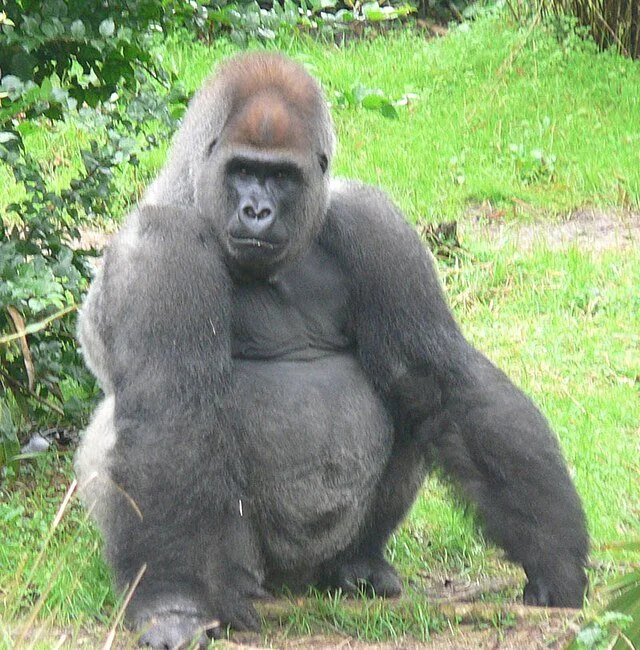
I start most weekly messages with a person, animal, or plant that inspired or intrigued me. It is a moment of reflection and gratitude, meant to find lessons and nurture curiosity. Last week I featured the falcon, while previous weeks included animals like the albatross, the oyster, and the bison, and luminaries such as Buckminster Fuller and Sylvia Earle. Today I am featuring the gorilla, the ape that is next closest living relative to humans, after chimpanzees and bonobos. As members of the Hominidae family, the DNA of gorillas is highly similar to ours, from 95% to 99% depending on what is included. So let’s take a brief look at this fascinating animal.
|
|
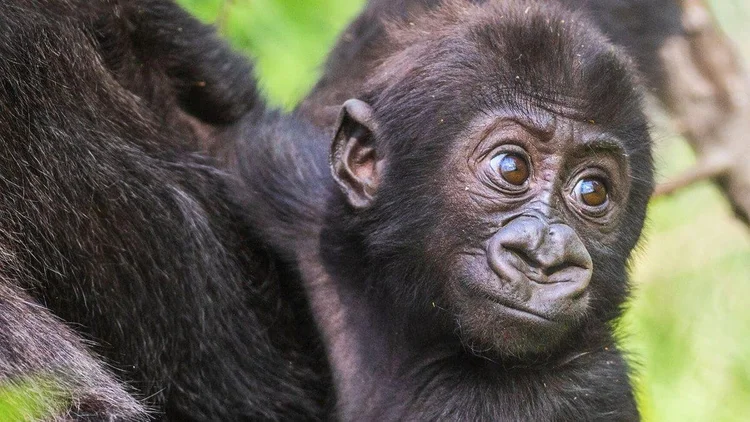
Gorillas are herbivorous, predominantly ground-dwelling great apes that inhabit the tropical forests of equatorial Africa. The genus Gorilla is divided into two species: the eastern gorilla and the western gorilla, and either four or five subspecies. Gorillas are the largest living primates, reaching heights between 1.25 and 1.8 meters (4-6 feet), weights between 100 and 270 kg (220 - 600 lbs.), and arm spans up to 2.6 meters (8 feet), depending on species and sex. They tend to live in troops, with the leader being called a silverback. The eastern gorilla is distinguished from the western by darker fur colour and some other minor morphological differences. Gorillas tend to live 35–40 years in the wild.
|
|
Gorillas' natural habitats cover tropical or subtropical forests. Although their range covers a small percentage of Sub-Saharan Africa, gorillas cover a wide range of elevations. The mountain gorilla inhabits the Albertine Rift montane cloud forests of the Virunga Volcanoes, ranging in altitude from 2,200 to 4,300 metres (7,200 to 14,100 ft). Lowland gorillas live in dense forests and lowland swamps and marshes as low as sea level, with western lowland gorillas living in Central West African countries and eastern lowland gorillas living in the Democratic Republic of the Congo near its border with Rwanda. There are thought to be around 316,000 western gorillas in the wild, and 5,000 eastern gorillas. Both species are classified as Critically Endangered by the IUCN; all subspecies are classified as Critically Endangered with the exception of the mountain gorilla, which is classified as Endangered.
|
|
There are many threats to their survival, such as poaching, habitat destruction, and disease, which threaten the survival of the species. However, conservation efforts have been successful in some areas where they live. Overall, gorillas are special and unique due to their combination of size, intelligence, social complexity, genetic similarity to humans, and their critical role in ecosystem health. It seems to me that protecting them is essential not only for their own sake, but also for the preservation of biodiversity and our understanding of evolution. Sources:
|
Mindset“Notice that the stiffest tree is most easily cracked, while the bamboo or willow survives by bending with the wind.” — Bruce Lee
|
|
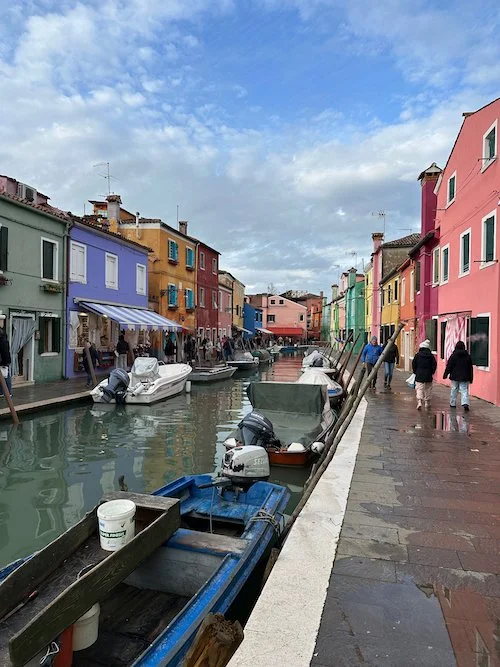
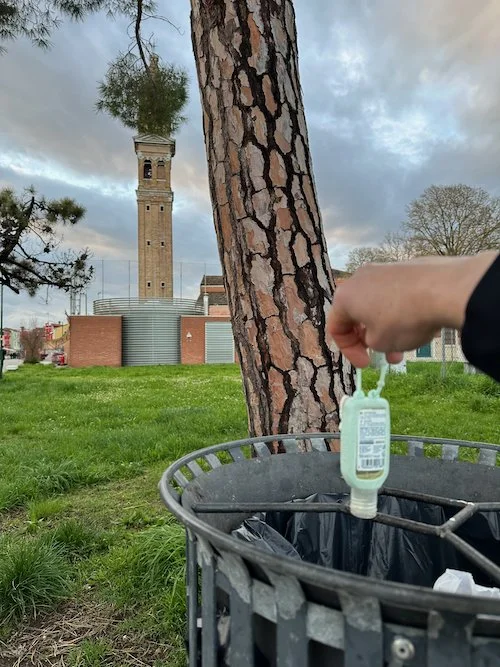
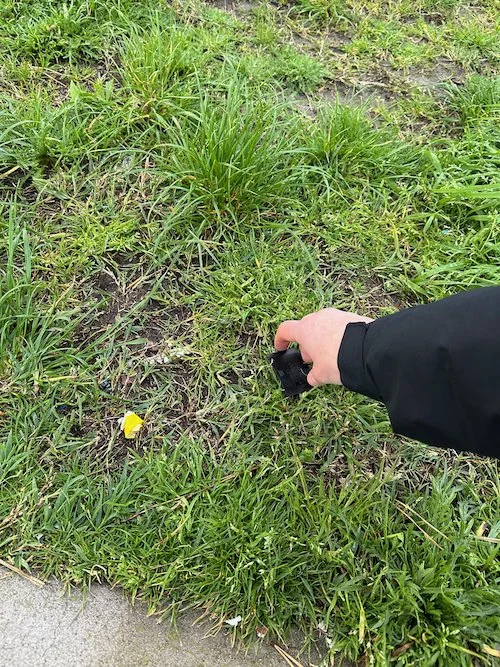
On the action front, I completed a BTN cleanup (“better than nothing”) while traveling to Italy on spring break last week. On the way back to Venice from a trip to the island of Burano, and while waiting for our boat ride across the Venice Lagoon, I carried out a quick cleanup near the dock. Here are a few pictures:
|
|
This quick cleanup reminded me of the research I did a few months ago in writing about the vicious cycle between climate change and marine debris. Warming temperatures lead to increases in rainfall and runoff, which carries more debris and plastic to waterways, the open sea and world’s oceans. In turn, the rise of man-made, artificial and destructive materials leads to a deterioration in water quality and nutrients, and negatively affects marine habitats for wildlife. I link the article below:
|

|
|
Storm runoff, stronger winds, rise in intensity and impact of extreme weather events - all lead to a nefarious rise in marine litter |
|
|
|
If you found this newsletter helpful or interesting, please share with your friends, contacts, and anyone you know who may benefit from following my journey. Let’s gain some knowledge, and take action toward a cleaner, healthier world! Thank you. Razvan
|
|
|
|