|
Your weekly newsletter from OneBeautifulPlanet.org! Knowledge and action for a cleaner, healthier world͏ ͏ ͏ ͏ ͏ ͏ ͏ ͏ ͏ ͏ ͏ ͏ ͏ ͏ ͏ ͏ ͏ ͏ ͏ ͏ ͏ ͏ ͏ ͏ ͏ ͏ ͏ ͏ ͏ ͏ ͏ ͏ ͏ ͏ ͏ ͏ ͏ ͏ ͏ ͏ ͏ ͏ ͏ ͏ ͏ ͏ ͏ ͏ ͏ ͏ ͏ ͏ ͏ ͏ ͏ ͏ ͏ ͏ ͏ ͏ ͏ ͏ ͏ ͏ ͏ ͏ ͏ ͏ ͏ ͏ ͏ ͏ ͏ ͏ ͏ ͏ ͏ ͏ ͏ ͏ ͏ ͏ ͏ ͏ ͏ ͏ ͏ ͏ ͏ ͏ ͏ ͏ ͏ ͏ ͏ ͏ ͏ ͏ ͏ ͏ ͏ ͏ ͏ ͏ ͏ ͏ ͏ ͏ ͏ ͏ ͏ ͏ ͏ ͏ ͏ ͏ ͏ ͏ ͏ ͏ ͏ ͏ ͏ ͏ ͏ ͏ ͏ ͏ ͏ ͏ ͏ ͏ ͏ ͏ ͏ ͏ ͏ ͏ ͏ ͏ ͏ ͏ ͏ ͏ ͏ ͏ ͏ ͏ ͏ ͏ ͏ ͏ ͏ ͏ ͏ ͏ ͏ ͏ ͏ ͏ ͏ ͏ ͏ ͏ ͏ ͏ ͏ ͏ ͏ ͏ ͏ ͏ ͏ ͏ ͏ ͏ ͏ ͏ ͏ ͏ ͏ ͏ ͏ ͏ ͏ ͏ ͏ ͏ ͏ ͏ ͏ ͏ ͏ ͏ ͏ ͏ ͏ ͏ ͏ ͏ ͏ ͏ ͏ ͏ ͏ ͏ ͏ ͏ ͏ ͏ ͏ ͏ ͏ ͏ ͏ ͏ ͏ ͏ ͏ ͏ ͏ ͏ ͏ ͏ ͏ ͏ ͏ ͏ ͏ ͏ ͏ ͏ ͏ ͏ ͏ ͏ ͏ ͏ ͏ ͏ ͏ ͏ ͏ ͏ ͏ ͏ ͏ ͏ ͏ ͏ ͏ ͏ ͏ ͏ ͏
|
Hi there and welcome to e-mail newsletter #20! This message goes to my 89 subscribers, with a big Thank you for signing up. If you have not yet explored the OneBeautifulPlanet.org Newsletter archive, check it out. I wrote the first issue in June 2023.
|
|
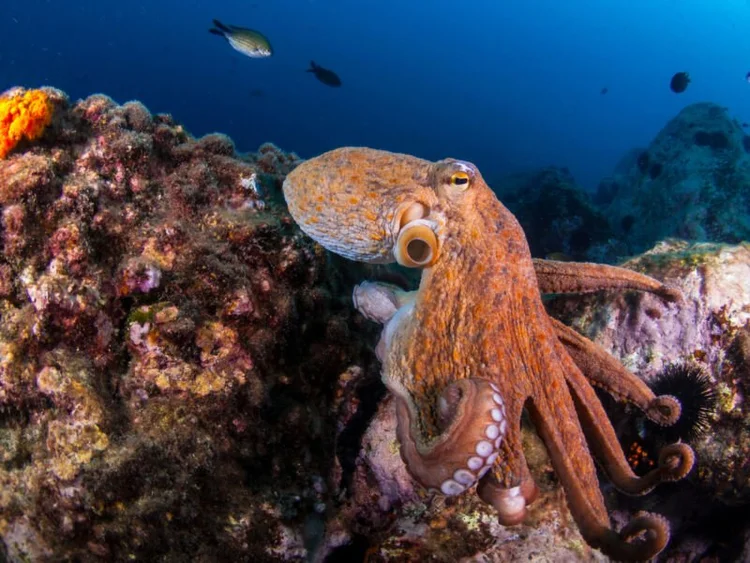
For every newsletter I feature a person, animal, or plant that inspired or intrigued me. It is a moment of reflection and gratitude, meant to find lessons and nurture curiosity. Last week I featured the environmental activist David Buckel and prior weeks included animals like the axolotl, the albatross, and luminaries such as Buckminster Fuller and Dr. Sylvia Earle. This week I am featuring the fascinating Octopus. After watching the documentary “My Octopus Teacher” on Netflix a few weeks ago, and gradually learning more about it, I continue to remain in awe of this magnificent animal. One of the most amazing characteristics of the octopus is that for over 500 million years, it has evolved in parallel a cognitive capacity rival to that of advanced vertebrates, but has done so through an entirely divergent neural architecture. Here’s a short write-up on this evolutionary marvel of the deep:
|
|
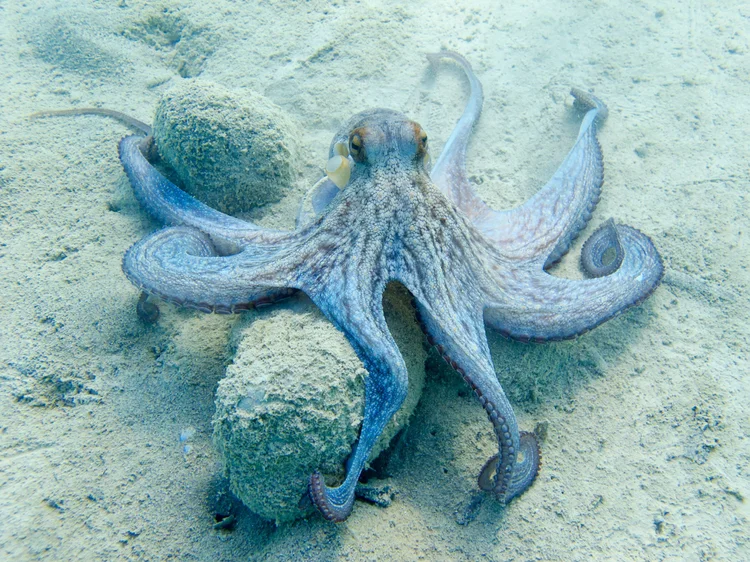
Octopuses (or octopi) belong to the marine animal class Cephalopoda. Fossils suggest that cephalopods have been evolving since the late Cambrian period, ~ 500 million years ago. Octopuses are believed to have diverged from their common ancestor with squids and cuttlefish approximately 300 million years ago. This evolutionary divergence gave rise to the unique characteristics that set octopuses apart from other cephalopods and life forms. Octopuses possess several physiological features that add to their mystique. They have three hearts: two branchial hearts that pump blood through the gills, and one systemic heart that circulates oxygenated blood to the rest of the body. Their blood is blue due to the presence of copper-based molecules, which are more efficient at transporting oxygen in low-oxygen environments. Unlike the highly centralized nervous system of vertebrates, that of the octopus is highly diffuse: most of the octopus’ nervous system exists within its eight arms as a distributed network. It is within the nervous system of the arms that the octopus has outsourced a large part of the computation necessary to support its complex cognition, allowing it to process in parallel the massive amount of mechanical and chemical information available from its densely innervated suckers and the motor information necessary to coordinate the infinite degrees of freedom of its arms.
|
|
From a genetic standpoint, octopuses are distant relatives of other animals, particularly due to their complex nervous system and advanced cognitive abilities. Their genome, containing approximately 33,000 genes, is roughly as large as the human genome. This genetic complexity underscores the intricacy of their biology and behavior, setting them apart from many other marine organisms and enabling the development of specialized adaptations. They are renowned for their remarkable adaptability. They are found in a wide range of marine habitats, from the shallows of coastal waters to the extreme depths of the ocean. This adaptability is possible in part due to their soft, boneless bodies and their capacity to change color, texture, and shape. These adaptations allow them to blend with their surroundings, evade predators or sneak up on prey. Indeed, octopuses are masterful in the art of camouflage. They possess specialized pigment-containing cells called chromatophores that allow them to rapidly change the color and pattern of their skin. This camouflage is not just for concealing themselves but is also employed for hunting, courting, and communication. Also, they are capable of regenerating lost limbs, which is a remarkable ability for self-repair. Some octopuses have bioluminescent displays, adding to their mysterious allure. Their exceptional flexibility, which allows them to fit through tiny openings, and their ability to solve complex puzzles are further examples of their astounding capabilities.
|
|
The octopus is often celebrated for its exceptional intelligence. Their large brains, which account for a significant proportion of their body mass, have led to their reputation as some of the most intelligent invertebrates. They display problem-solving abilities, can learn from experience, and exhibit signs of both short-term and long-term memory. Octopuses have been observed using tools, such as coconut shells or discarded seashells, to create shelters or defend themselves. Unlike many social marine species, octopuses are known for their solitary lifestyle. They are generally solitary hunters and have limited social interactions. Their independence has likely evolved due to the competition for resources in their varied marine habitats. This solitary nature also aligns with their highly adaptive and self-reliant way of life. The octopus is a truly awe-inspiring animal, another reminder of the wonders of nature and the incredible diversity of life on Earth. Reflecting on this remarkable creature deepens our knowledge of the natural world and humbles us in the face of the profound mysteries that still exist beneath the waves. Sources: Hebrew University of Jerusalem, “Unlocking Mysteries of Octopus Cognition: Paving The Way For Memory Research, PHYS.ORG, August, 2023. “Collective cognition in the arms of the octopus” Dominic M. Sivitilli and David H. Gire University of Washington, Seattle The Stuff You Should Know Podcast: Octopus, Octopi, Octopod, Octopuses: September 21, 2010 about
|
Mindset“First, a leader needs the guts to stand out and be ridiculed. But what he is doing is so easy to follow. Here’s his first follower with a crucial role; he’s going to show everyone else how to follow. Now, notice that the leader embraces him as an equal, so now it’s not about the leader anymore, it’s about them, plural. Then the first follower is an underestimated form of leadership in itself: it takes guts to stand out. The first follower is what transforms a lone nut into a leader. And here comes the second follower. Now it’s not a lone nut, it’s not two nuts, three is a crowd and the crowd is news. So a movement must be public. It’s important to show not just the leader, but the followers because you find the new followers emulate the followers, not the leader. Now here come two more people, and immediately after, three more people. Now we’ve got momentum. This is the tipping point. Now we’ve got a movement.” Derek Sivers — “How to start a movement” from a 3-minute TED Talk, discussing the viral 2009 Sasquatch music festival dance party video.
|
|
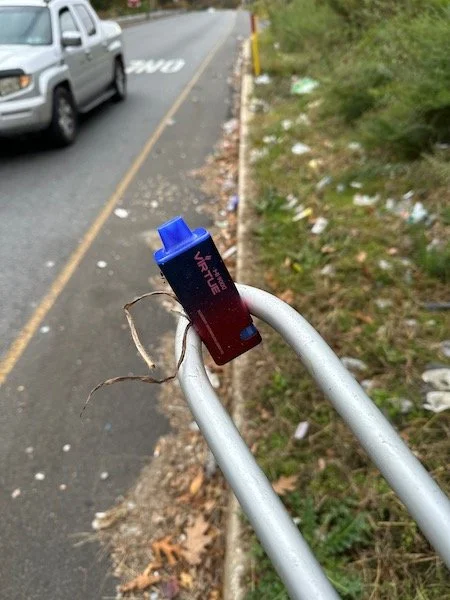
On the action front, I cleaned up a public area that was screaming for attention and loving care: the Fairmount Park Montgomery Drive Exit off Route 76 West, in Philadelphia. In about one hour and thirty minutes I picked a total of 6 large trash bags, totaling about 118 gallons, or 440 liters. This was one of my largest hauls year-to-date, of mostly plastic and glass bottles, food packaging, single-use plastic items, metal, cardboard, and car parts. Keep in classy, Philadelphia! Work and totals are logged in the Pirika, Clean Planet Project, and CSFN litter apps. I also posted it on the DeTrashed subreddit and on my Instagram account.
|
|
On the knowledge and education front, I am continuing the Terra.do Learning for Action program on climate change fundamentals, now in Week 4/12. It is an excellent choice so far and I will elaborate on lessons learned in future newsletters and/or posts. On a related topic, through the Terra.do network I learned about The Great Simplification podcast, with Nate Hagens and his work on ecological economics. I am now binge listening and will write a summary once I complete the series. I also updated my article on the Benefits of Picking Up Litter in the blog section of the website, by adding crime prevention as another benefit. According to the “Broken Windows Theory” of crime initially formulated in 1982, people can be attracted to trespass, litter and even commit theft if they sense from their environment that it’s OK to disregard rules such as when “no litter” signs are ignored. So let’s pick up litter, send an indirect message that it is not tolerated, and we have a chance to contribute to lowering crime rates in our communities!
|

|
|
Fri, Nov 03
A Small Act with Big Rewards: 8 Benefits of Picking Up Litter |
|
|
|
If you found this newsletter helpful or interesting, please share with your friends, contacts, and anyone you know who may benefit from following my journey. Let’s gain some knowledge, and take action toward a cleaner, healthier world! Thank you. Razvan
|
|
|
|