|
Your weekly newsletter from OneBeautifulPlanet.org! Knowledge and action for a cleaner, healthier world͏ ͏ ͏ ͏ ͏ ͏ ͏ ͏ ͏ ͏ ͏ ͏ ͏ ͏ ͏ ͏ ͏ ͏ ͏ ͏ ͏ ͏ ͏ ͏ ͏ ͏ ͏ ͏ ͏ ͏ ͏ ͏ ͏ ͏ ͏ ͏ ͏ ͏ ͏ ͏ ͏ ͏ ͏ ͏ ͏ ͏ ͏ ͏ ͏ ͏ ͏ ͏ ͏ ͏ ͏ ͏ ͏ ͏ ͏ ͏ ͏ ͏ ͏ ͏ ͏ ͏ ͏ ͏ ͏ ͏ ͏ ͏ ͏ ͏ ͏ ͏ ͏ ͏ ͏ ͏ ͏ ͏ ͏ ͏ ͏ ͏ ͏ ͏ ͏ ͏ ͏ ͏ ͏ ͏ ͏ ͏ ͏ ͏ ͏ ͏ ͏ ͏ ͏ ͏ ͏ ͏ ͏ ͏ ͏ ͏ ͏ ͏ ͏ ͏ ͏ ͏ ͏ ͏ ͏ ͏ ͏ ͏ ͏ ͏ ͏ ͏ ͏ ͏ ͏ ͏ ͏ ͏ ͏ ͏ ͏ ͏ ͏ ͏ ͏ ͏ ͏ ͏ ͏ ͏ ͏ ͏ ͏ ͏ ͏ ͏ ͏ ͏ ͏ ͏ ͏ ͏ ͏ ͏ ͏ ͏ ͏ ͏ ͏ ͏ ͏ ͏ ͏ ͏ ͏ ͏ ͏ ͏ ͏ ͏ ͏ ͏ ͏ ͏ ͏ ͏ ͏ ͏ ͏ ͏ ͏ ͏ ͏ ͏ ͏ ͏ ͏ ͏ ͏ ͏ ͏ ͏ ͏ ͏ ͏ ͏ ͏ ͏ ͏ ͏ ͏ ͏ ͏ ͏ ͏ ͏ ͏ ͏ ͏ ͏ ͏ ͏ ͏ ͏ ͏ ͏ ͏ ͏ ͏ ͏ ͏ ͏ ͏ ͏ ͏ ͏ ͏ ͏ ͏ ͏ ͏ ͏ ͏ ͏ ͏ ͏ ͏ ͏ ͏ ͏ ͏ ͏ ͏ ͏ ͏ ͏ ͏ ͏ ͏ ͏ ͏
|
Hi there and welcome to e-mail newsletter #22! This message goes to my 99 subscribers, with a big Thank you for signing up. If you have not yet explored the OneBeautifulPlanet.org Newsletter archive, check it out. I wrote the first issue in June 2023.
|
|
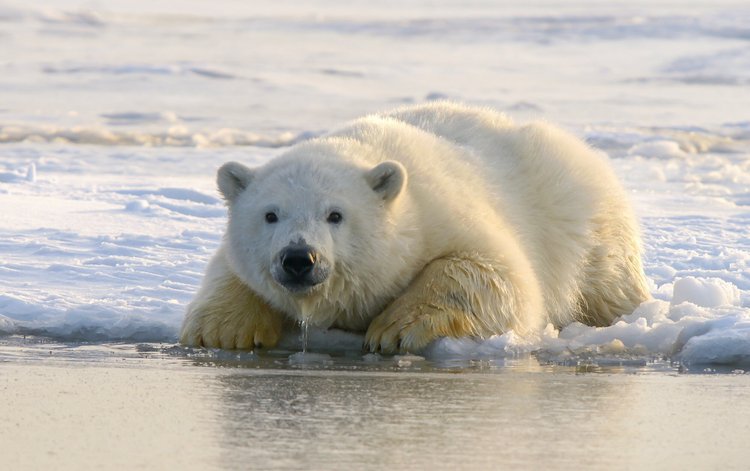
For every newsletter I feature a person, animal, or plant that inspired or intrigued me. It is a moment of reflection and gratitude, meant to find lessons and nurture curiosity. Last week I featured a pioneer in ecological economics, Nicholas Georgescu-Roegen while prior weeks included animals like the axolotl, the albatross, and luminaries such as Buckminster Fuller and Sylvia Earle. This week I am featuring the polar bear, the first mammal since starting the newsletter. Polar bears (Ursus maritimus), the largest land carnivores, are a fascinating and awe-inspiring presence in the frozen landscapes of the Arctic Ocean. These creatures are not only marvels of evolution but also serve as an emblem of the delicate balance of our planet's ecosystem and the challenges posed by a warming climate.
|
|
Polar bears are one of the easiest ways to explain evolution and natural selection to children. In fact, I remember a vignette at the Academy of Natural Sciences in Philadelphia a few years ago that showcased this fundamental feature of life: after a genetic mutation that occurred in brown bears approximately half a million years ago, bears that lacked that pigmentation in their fur were able to camouflage better, find food, and reproduce in Northern, snow-covered environments. Over time, they evolved into the distinct animal we see today, with an appearance that makes them instantly recognizable. Polar bears’ dense, water-repellent fur, which appears white but is actually translucent, helps them blend into their icy surroundings. Beneath this fur lies a several inches-thick layer of blubber, which provides insulation and buoyancy in freezing waters. Their large paws, equipped with sharp claws, aid in navigating the Arctic terrain and swimming across vast expanses of water. Their streamlined bodies and elongated necks make them excellent swimmers, capable of covering long distances, sometimes for hours on end, in search of food. They inhabit the Arctic regions of five countries: the United States (Alaska), Canada, Russia, Norway, and Denmark (Greenland). They reside in areas where sea ice is abundant, relying on it as a platform for hunting seals, their primary food source. Polar bears are adapted to the Arctic's extreme conditions and depend on sea ice for various aspects of their survival, including mating, hunting, and raising their young. Despite being carnivorous apex predators, polar bears are opportunistic feeders and can consume other animals and vegetation when necessary.
|
|
How many polar bears are (still) out there? Estimating the exact number of polar bears in the wild is challenging due to their vast and remote habitats. However, it is widely acknowledged that their population is declining due to factors such as climate change, habitat loss, pollution, and human activity. According to some studies, there may be around 22,000 to 31,000 polar bears left in the wild, although these numbers are fluctuating and often debated. Indeed, polar bears have become a poignant symbol of the detrimental effects of climate change on wildlife and their habitats: the decline in Arctic sea ice, crucial for the bears' hunting and breeding patterns, directly threatens their survival. As ice melts at an alarming rate due to rising global temperatures, polar bears face challenges in finding food and suitable areas for denning, leading to reduced reproduction rates and increased mortality. Their struggle to adapt to rapidly changing conditions highlights the interconnectedness of ecosystems and the vulnerability of species in the face of environmental changes.
|
|
Organizations like Polar Bears International (PBI) are stepping in to help: they are a non-profit polar bear conservation organization. Their research, education, and action programs address the issues that are endangering polar bears. The organization studies polar bears and monitors their activity data (they even have a polar bear tracker!) which helped lead to the animals being listed as a threatened species. Preserving the habitats of polar bears and mitigating the factors contributing to their decline are crucial steps toward ensuring the survival of these beautiful and magnificent creatures and the conservation of the Arctic ecosystem as a whole. Sources: “How Polar Bears Work” - The Stuff You Should Know About podcast, 09/26/2016 “Relax with Animal Facts - A Podcast”, Stefan Wolfe S1 E11, 04/30/2020 Intergovernmental Panel on Climate Change. Summary for All Climate Change 2021. 12/12/2022 www.PolarBearsInternational.org
|
Mindset“Never doubt that a small group of thoughtful committed individuals can change the world. In fact, it's the only thing that ever has.” - Margaret Mead
|
|
The highlight of the week on the action front was a sizable cleanup completed together with five other volunteers in Norristown, PA. Co-organized with Litter Lifters of West Vincent, and KNB - Keep Norristown Beautiful, this little event was a lot of fun and reminded me of the benefits of group events that I wrote about previously. In about two hours we removed litter from several streets in Norristown, PA, and most notably from a wooded ravine right across the municipal administration building on Airy Street. In total, we removed 30 large bags of litter, 13 tires, a bike, and (remnants of) an old Sony Trinitron TV. One of the unexpected, cool parts of this cleanup was walking by the Bigbelly trash bin that I sponsored earlier this year (see center bottom picture below). Avid readers will recognize it from newsletter 5, when I first announced the collaboration with, and support for, the Keep Norristown Beautiful public anti-litter awareness campaign.
|
|
On the knowledge and education front, I am continuing the Terra.do Learning for Action online program on climate change fundamentals, now in Week 6/12. One of the highlights of this week was a presentation by environmental expert Christina Page, a sharp, engaging, and motivating speaker. Previously with Amazon, Yahoo!, and the City of Seattle, WA, Christina holds an environmental masters degree from Yale University and a bachelor degree from Brown University. Christina showed us a model for assessing the impact of various policy measures and drivers affecting climate change, developed by Climate Interactive and the MIT Sloan Sustainability Initiative. The En-ROADS dynamic model is free to use and a great tool to explore if you are ever wondering of the combined or individual effects of various measures such as taxing/ subsidizing energy sources, improving/decreasing transportation efficiency, or initiating carbon removal methodologies. Interestingly, we found that setting and maintaining a high carbon price was one of the most effective ways to gradually bring global warming levels to more sustainable levels, closer to the 1.5C degree target of the Paris Agreement.
|
|
I also updated my article with lessons learned from ten years of volunteering with a great quote from Jan Masuoka on the little advertised power and importance of volunteer organizations. Check it out!
|

|
|
Lessons from ten years of occasional volunteering work |
|
|
|
If you found this newsletter helpful or interesting, please share with your friends, contacts, and anyone you know who may benefit from following my journey. Let’s gain some knowledge, and take action toward a cleaner, healthier world! Thank you. Razvan
|
|
|
|