|
Your weekly newsletter from OneBeautifulPlanet.org! Knowledge and action for a cleaner, healthier world͏ ͏ ͏ ͏ ͏ ͏ ͏ ͏ ͏ ͏ ͏ ͏ ͏ ͏ ͏ ͏ ͏ ͏ ͏ ͏ ͏ ͏ ͏ ͏ ͏ ͏ ͏ ͏ ͏ ͏ ͏ ͏ ͏ ͏ ͏ ͏ ͏ ͏ ͏ ͏ ͏ ͏ ͏ ͏ ͏ ͏ ͏ ͏ ͏ ͏ ͏ ͏ ͏ ͏ ͏ ͏ ͏ ͏ ͏ ͏ ͏ ͏ ͏ ͏ ͏ ͏ ͏ ͏ ͏ ͏ ͏ ͏ ͏ ͏ ͏ ͏ ͏ ͏ ͏ ͏ ͏ ͏ ͏ ͏ ͏ ͏ ͏ ͏ ͏ ͏ ͏ ͏ ͏ ͏ ͏ ͏ ͏ ͏ ͏ ͏ ͏ ͏ ͏ ͏ ͏ ͏ ͏ ͏ ͏ ͏ ͏ ͏ ͏ ͏ ͏ ͏ ͏ ͏ ͏ ͏ ͏ ͏ ͏ ͏ ͏ ͏ ͏ ͏ ͏ ͏ ͏ ͏ ͏ ͏ ͏ ͏ ͏ ͏ ͏ ͏ ͏ ͏ ͏ ͏ ͏ ͏ ͏ ͏ ͏ ͏ ͏ ͏ ͏ ͏ ͏ ͏ ͏ ͏ ͏ ͏ ͏ ͏ ͏ ͏ ͏ ͏ ͏ ͏ ͏ ͏ ͏ ͏ ͏ ͏ ͏ ͏ ͏ ͏ ͏ ͏ ͏ ͏ ͏ ͏ ͏ ͏ ͏ ͏ ͏ ͏ ͏ ͏ ͏ ͏ ͏ ͏ ͏ ͏ ͏ ͏ ͏ ͏ ͏ ͏ ͏ ͏ ͏ ͏ ͏ ͏ ͏ ͏ ͏ ͏ ͏ ͏ ͏ ͏ ͏ ͏ ͏ ͏ ͏ ͏ ͏ ͏ ͏ ͏ ͏ ͏ ͏ ͏ ͏ ͏ ͏ ͏ ͏ ͏ ͏ ͏ ͏ ͏ ͏ ͏ ͏ ͏ ͏ ͏ ͏ ͏ ͏ ͏ ͏ ͏ ͏
|
Hi and welcome to my sixth e-mail newsletter! This message goes to my 22 subscribers with a big Thank you for signing up. Here are the prior newsletters, if you did not receive them or would like to read some history (also, please don’t forget to check your Spam folder!). Razvan
|
|
For every newsletter I feature an animal, plant, or famous person that inspired or intrigued me. It is a recognition, a moment of reflection and gratitude toward life on Earth. Last week it was the inventor and architect Buckminster Fuller, an early advocate for sustainable living and more efficiently using Earth’s resources. Today let’s take a look at the insect known as the Cicada. I have been intrigued by this loud summer insect for some time, so I decided to research it. The cicada is a relatively large insect, known for its chirping noise. It is native to the eastern United States and can be found on every other continent except for Antarctica. It is part of the Cicadaoidea family, meaning it is related to leafhoppers and froghoppers.
|

|
Cicadas are herbivores and eat roots, branches, and tree sap, which explains why many of them flock to pine trees - such as the one in this picture, which I took outside my house in Pennsylvania. Can you see it? At the beginning of its life cycle, a cicada’s egg is about the size of a grain of rice. The female lays the eggs in a small groove she cuts herself in a tree. While in the groove, the cicada egg is nourished with tree fluids and sheltered from predators. After the cicada hatches, it starts to consume the tree sap and appears as a tiny white ant or termite. Once it gets bigger, it then falls from the tree and digs in the ground to find tree roots to eat. |
|
|
|
Depending on the species, the cicada then stays underground 2 to 17 years! While underground, the cicadas feed and tunnel, without taking a break to hibernate. They then journey from the ground to the surface as nymphs. Eventually, they find the closest plant or tree to shed their exoskeleton. After shedding, their wings and adult skin will grow harder. They will then begin their short adult life, reproduce, and the life cycle starts again.
|

|
Cicadas are well known for their loud chirping sounds we hear so ofter in the summer. Yet only males can produce this specific noise, and they do so to attract females. Unlike other insects, they do not rub body parts together to create noise: male cicadas have a muscle in their body called a tymbal, which produces the sound. Source: https://www.nationalgeographic.com/animals/invertebrates/facts/cicadas |
|
|
Mindset"Nothing that is worth doing can be achieved in a lifetime; therefore we must be saved by hope.” - Reinhold Niebuhr I came across this quote while listening to David Brooks’ “The Road to Character”. Reinhold Niebuhr is the author of the well-known Serenity Prayer, and I was inspired by his words above, immediately recognizing their relevance to my work here. It is hope and faith in the human potential that drive me toward spreading awareness on environmental matters, living less wastefully, picking up litter, and supporting organizations and individuals who do that. I humbly recognize the work is monumental and maybe even impossible, yet at the same time I cannot let that realization stop me.
|
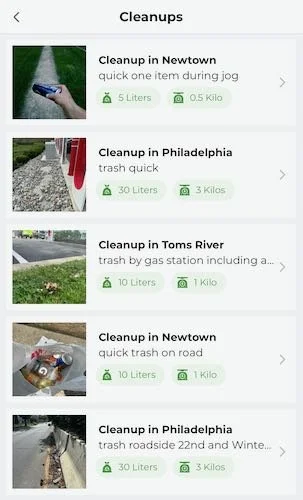
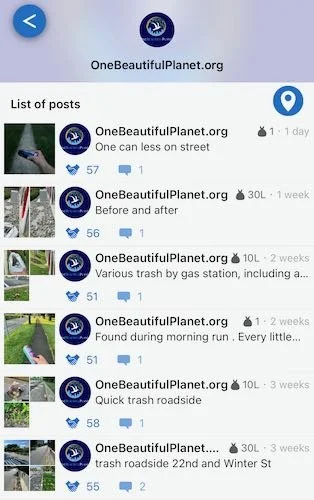
In the WorksOn the Action front, I am wrapping up July with 5 recorded cleanups, for a total of approx. 15 lbs. of litter collected from public places. Below are screenshots showing the summary from Pirika and CSFN, two of the three apps I use to record each cleanup. I previously wrote a detailed review of nine such apps here.
|

|
Every little bit counts - such as this one empty aluminum can I picked up during an evening jog. I compressed it and put it in my growing pile of aluminum cans (more on this in future posts!). |
|
|
|
On the Knowledge front, below are a couple of my recent articles: one in the Blog section, with my lessons from ten years of occasional volunteering with different nonprofit organizations, and the on the work of The Ocean Cleanup, an organization dedicated to cleaning the plastic from rivers and oceans. Check them out! Let me know what you think.
|

|
|
Thu, Jun 01
Lessons from ten years of occasional volunteering work |
|
|

|
|
Wed, Jun 28
The Ocean Cleanup: Insights from The First 33 episodes of the “Catching Up” Podcast |
|
|
|
If you found this helpful or interesting, please share with your friends, contacts and anyone you know who may benefit from following my journey. Let’s gain some knowledge, and take action toward a cleaner, healthier world! Thank you. Razvan
|
|
|
|