|
Your weekly newsletter from OneBeautifulPlanet.org! Knowledge and action for a cleaner, healthier world͏ ͏ ͏ ͏ ͏ ͏ ͏ ͏ ͏ ͏ ͏ ͏ ͏ ͏ ͏ ͏ ͏ ͏ ͏ ͏ ͏ ͏ ͏ ͏ ͏ ͏ ͏ ͏ ͏ ͏ ͏ ͏ ͏ ͏ ͏ ͏ ͏ ͏ ͏ ͏ ͏ ͏ ͏ ͏ ͏ ͏ ͏ ͏ ͏ ͏ ͏ ͏ ͏ ͏ ͏ ͏ ͏ ͏ ͏ ͏ ͏ ͏ ͏ ͏ ͏ ͏ ͏ ͏ ͏ ͏ ͏ ͏ ͏ ͏ ͏ ͏ ͏ ͏ ͏ ͏ ͏ ͏ ͏ ͏ ͏ ͏ ͏ ͏ ͏ ͏ ͏ ͏ ͏ ͏ ͏ ͏ ͏ ͏ ͏ ͏ ͏ ͏ ͏ ͏ ͏ ͏ ͏ ͏ ͏ ͏ ͏ ͏ ͏ ͏ ͏ ͏ ͏ ͏ ͏ ͏ ͏ ͏ ͏ ͏ ͏ ͏ ͏ ͏ ͏ ͏ ͏ ͏ ͏ ͏ ͏ ͏ ͏ ͏ ͏ ͏ ͏ ͏ ͏ ͏ ͏ ͏ ͏ ͏ ͏ ͏ ͏ ͏ ͏ ͏ ͏ ͏ ͏ ͏ ͏ ͏ ͏ ͏ ͏ ͏ ͏ ͏ ͏ ͏ ͏ ͏ ͏ ͏ ͏ ͏ ͏ ͏ ͏ ͏ ͏ ͏ ͏ ͏ ͏ ͏ ͏ ͏ ͏ ͏ ͏ ͏ ͏ ͏ ͏ ͏ ͏ ͏ ͏ ͏ ͏ ͏ ͏ ͏ ͏ ͏ ͏ ͏ ͏ ͏ ͏ ͏ ͏ ͏ ͏ ͏ ͏ ͏ ͏ ͏ ͏ ͏ ͏ ͏ ͏ ͏ ͏ ͏ ͏ ͏ ͏ ͏ ͏ ͏ ͏ ͏ ͏ ͏ ͏ ͏ ͏ ͏ ͏ ͏ ͏ ͏ ͏ ͏ ͏ ͏ ͏ ͏ ͏ ͏ ͏ ͏ ͏
|
Hi and welcome to e-mail newsletter number 9! This message goes to my 37 subscribers with a big Thank you for signing up. Here are the prior newsletters, if you did not receive them or would like to read some history (also, please don’t forget to check your Spam folder). Razvan
|
|
For every newsletter I feature an animal, plant, or person that inspired or intrigued me. It is a recognition, a moment of reflection and gratitude toward life on Earth. Last week I featured the the Mexico amphibian known as the axolotl. Prior weeks included animals like the cicada, the jumping spider, and the albatross; and luminaries such as Buckminster Fuller, Yvon Chouinard, and Ellen MacArthur. After watching the documentary Seaspiracy a few weeks ago, I became interested in sharks and decided to research the topic. What intrigued me most was that humans may end up overfishing oceans to such a degree that sharks would become extinct. I went down the rabbit hole, listened to several podcasts, bought a really cool book about sharks, and below is a summary of my findings. While I will not seek to answer that initial question, I do want to provide what I think is interesting information on this fascinating aquatic creature.
|
|
Ancient and Diverse Creatures The word “shark” conjures up images of fearsome predators lurking just beneath the surface of the ocean. While the notorious great white sharks and their Hollywood fame often dominate perceptions (and misconceptions), the reality is that the world of sharks is vast and diverse, with over 530 species that span a multitude of shapes, sizes, and behaviors. While some species do have sharp teeth for hunting, others possess flattened teeth specialized for crushing shells, or even possess filter-feeding mechanisms to consume plankton. The field of shark research is still relatively new, with many new discoveries having been made in the last two decades, showcasing the remarkable variety and complexity within this group. However, their ancient lineage dates back to the Devonian and Silurian periods – before trees and dinosaurs, and one of the fascinating aspects of sharks is that their basic body structure has remained virtually unchanged for hundreds of millions of years: head, trunk and tail.
|
|
Not Quite Like Other Fish Sharks are dramatically different from other types of fish, in that their skeletons are made of cartilage, a tissue lighter and more flexible than typical bone. This unique skeletal structure allows for efficient and graceful swimming. Unlike bone, cartilage contains no nerves or blood vessels, making it a perfect adaptation for these master swimmers. They are much more closely related to stingrays (which can be considered flattened sharks basically), than to other types of fish.
|
|
Sharks also challenge conventional reproductive norms, standing apart from most fish in this category as well. Unlike fish that lay thousands or even millions of eggs, sharks evolved a quality-over-quantity approach. They produce a small number of fully developed young, each with a much higher chance of survival. This reproductive strategy bears many similarities to the reproductive processes of mammals and birds, marking sharks as evolutionary wonders: placental reproduction was established in sharks long before mammals evolved with the same strategy. Viviparous reproduction, where pups develop within the mother's body, is now the norm for 60% of shark species, while 40% are oviparous, laying eggs externally. Sharks and People The release of the iconic movie "Jaws" in 1975 sent shockwaves through popular culture, casting sharks as menacing predators that haunted our nightmares. However, an unexpected twist emerged – the movie inadvertently sparked a new wave of shark conservation. In addition to fueling fear, "Jaws" prompted greater attention, scientific research, and ultimately efforts towards protecting shark as vital ocean inhabitants. Also, contrary to popular belief, sharks are not inherently interested in making us their meal. Humans, lacking the necessary body fat and swimming patterns of natural prey, are not a staple in their diet. Instead, sharks prefer to hunt and eat marine mammals like seals and sea lions, which offer a higher caloric reward. The danger posed by sharks is sensibly lower as compared to other everyday risks, such as driving. It is also worth noting that sharks tend to hunt in groups, further dispelling the notion of solitary, indiscriminate predators. Sharks as Predators at Top of Aquatic Food Chain Sharks, despite their apex predator status, are facing significant challenges that place their survival at risk. Overfishing and unintentional bycatch in large-scale commercial fishing operations are major threats, leading to population declines. Unlike other fish, their slow reproduction rates hinder their ability to recover quickly from overfishing. Habitat destruction, including coral reef degradation, further compounds their vulnerabilities. As apex predators, sharks play an important role in the ecosystem by maintaining the species below them in the food chain and serving as an indicator for ocean health. They shift their prey’s spatial habitat, which alters the feeding strategy and diets of other species. Through the spatial controls and abundance, sharks indirectly maintain the seagrass and corals reef habitats. The loss of sharks has led to the decline in coral reefs, seagrass beds and the decline in fish populations that feed on those. By taking sharks out of the coral reef ecosystem, the larger predatory fish, such as groupers, increase in abundance and feed on the herbivores. With less herbivores, macroalgae expands and coral can no longer compete, shifting the ecosystem to one of algae dominance, affecting the survival of the entire reef system. Conclusion Studying nature provokes a sense of wonder and learning about sharks is no exception. In fact, since popular shark coverage paints them in a continually scary, monstrous way (the movie Sharknado comes to mind), studying sharks with a more neutral, genuinely curious attitude is arguably more helpful and satisfying. These ancient creatures, with their remarkable adaptations and intricate ecological roles, remind us of the ceaseless wonders of nature.
|
|

|
Sources: Ebert, D. A., Dando, M., Fowler, S., Jabado, R., & Jabado, R. (2021). Sharks of the world: A complete guide. Princeton University Press The importance of sharks. Oceana Europe. (2023, May 31). https://europe.oceana.org/importance-sharks-0/ World of Sharks Podcast - Episode 33 “What’s been Happening in the world of sharks?”- Save Our Seas Foundation (2022, December 29)
|
|
|
Mindset"The point of work is doing the labor, not delegating it away. When we focus excessively on productivity, when our biggest concern is on how to ‘scale ourselves’ we miss the point of work—and, really, life—which is to find meaning in the daily tasks that consume our time. Like a bike chain catching a gear, there is a deeply satisfying *cachunk* that happens in your brain when you go from enjoying the outcome of your labors to enjoying the process of them. ” — Evan Armstrong Evan is a writer and tech entrepreneur. His point above resonated with me as I carry out my environmental research, litter cleanups, and blogging work as a hobby. It is all part of my “retirement” plan, i.e. what I would do to be helpful to others & society at large if I did not have to work full-time, or after I “retire” from my banking and finance career.
|
In the WorksOne completed cleanup during my morning run. No litter grabber needed! Pics below. As before, I continue to use CSFN, Pirika and Clean Planet Project apps to log my cleanups. Next week I am joining Save the Schuylkill https://savetheschuylkill.com/, Green Valleys Watershed https://greenvalleys.org/about/, and the Litter Lifters of West Vincent volunteer groups to clean up a section of the Schuylkill River, on August 26th. Should be fun!
|
|
On the knowledge front, I started reading the Keep America Beautiful Litter Study, and tuned in to the World Cleanup Day webinar “How We Can Solve the Plastic Crisis through Cleanup“. It was a good conversation on how to combat the global solid waste problem and end plastic pollution in our oceans, land and air. The conversation focused on the upcoming World Cleanup Day which this year is on September 16th. Also, I continue my journey into learning about plastics. Earlier this summer I took a the Fundamentals of Plastics and Polymers Udemy.com course by Dr. Ololade Olatunji, University Lecturer and Chemical Engineer, and wrote a summary of it below, in the article Plastic 101.
|
|
|
Fri, Jun 23
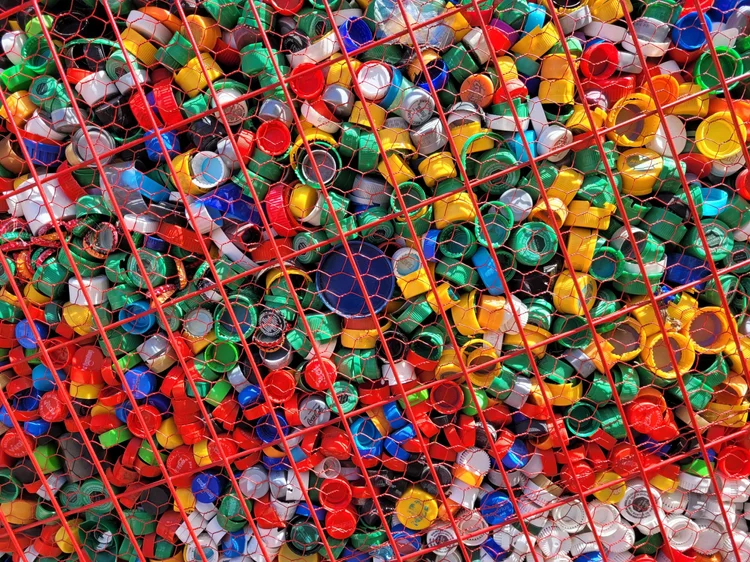
Plastic 101: Where it comes from, plastic pellets, what types of plastic are used by humans, and key characteristics everyone should be familiar with regarding this excellent but tricky resource. |
|
|
|
If you found this newsletter helpful or interesting, please share with your friends, contacts, and anyone you know who may benefit from following my journey. Let’s gain some knowledge, and take action toward a cleaner, healthier world! Thank you. Razvan
|
|
|
|


