|
Your weekly newsletter from OneBeautifulPlanet.org! Knowledge and action for a cleaner, healthier world͏ ͏ ͏ ͏ ͏ ͏ ͏ ͏ ͏ ͏ ͏ ͏ ͏ ͏ ͏ ͏ ͏ ͏ ͏ ͏ ͏ ͏ ͏ ͏ ͏ ͏ ͏ ͏ ͏ ͏ ͏ ͏ ͏ ͏ ͏ ͏ ͏ ͏ ͏ ͏ ͏ ͏ ͏ ͏ ͏ ͏ ͏ ͏ ͏ ͏ ͏ ͏ ͏ ͏ ͏ ͏ ͏ ͏ ͏ ͏ ͏ ͏ ͏ ͏ ͏ ͏ ͏ ͏ ͏ ͏ ͏ ͏ ͏ ͏ ͏ ͏ ͏ ͏ ͏ ͏ ͏ ͏ ͏ ͏ ͏ ͏ ͏ ͏ ͏ ͏ ͏ ͏ ͏ ͏ ͏ ͏ ͏ ͏ ͏ ͏ ͏ ͏ ͏ ͏ ͏ ͏ ͏ ͏ ͏ ͏ ͏ ͏ ͏ ͏ ͏ ͏ ͏ ͏ ͏ ͏ ͏ ͏ ͏ ͏ ͏ ͏ ͏ ͏ ͏ ͏ ͏ ͏ ͏ ͏ ͏ ͏ ͏ ͏ ͏ ͏ ͏ ͏ ͏ ͏ ͏ ͏ ͏ ͏ ͏ ͏ ͏ ͏ ͏ ͏ ͏ ͏ ͏ ͏ ͏ ͏ ͏ ͏ ͏ ͏ ͏ ͏ ͏ ͏ ͏ ͏ ͏ ͏ ͏ ͏ ͏ ͏ ͏ ͏ ͏ ͏ ͏ ͏ ͏ ͏ ͏ ͏ ͏ ͏ ͏ ͏ ͏ ͏ ͏ ͏ ͏ ͏ ͏ ͏ ͏ ͏ ͏ ͏ ͏ ͏ ͏ ͏ ͏ ͏ ͏ ͏ ͏ ͏ ͏ ͏ ͏ ͏ ͏ ͏ ͏ ͏ ͏ ͏ ͏ ͏ ͏ ͏ ͏ ͏ ͏ ͏ ͏ ͏ ͏ ͏ ͏ ͏ ͏ ͏ ͏ ͏ ͏ ͏ ͏ ͏ ͏ ͏ ͏ ͏ ͏ ͏ ͏ ͏ ͏ ͏ ͏
|
February 18, 2024 Hi and welcome to the OneBeautifulPlanet.org newsletter #35! This message goes to my 183 subscribers, with a big Thank you for signing up. If you have just subscribed, check out the weekly Newsletter archive. I wrote the first issue in June 2023, and an overview of the weekly effort at the 100th subscriber milestone.
|
|
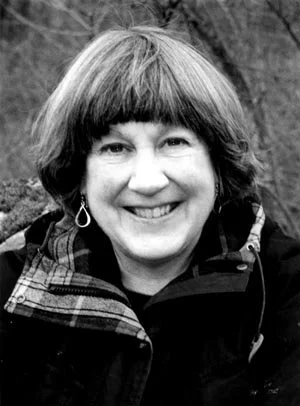
I start every newsletter with a person, animal, or plant that inspired or intrigued me. It is a moment of reflection and gratitude, meant to find lessons and nurture curiosity. Last week I featured Carl Stokes, while previous weeks included animals like the albatross, the oyster, and the bison, and luminaries such as Buckminster Fuller and Sylvia Earle. I first learned of the scientist Donella Meadows during the Terra.do Learning for Action course on climate change fundamentals that I completed in January. I also heard her name recently on The Great Simplification podcast, so I decided to delve a bit deeper in her work. She was a prominent environmental scientist who left a mark on the fields of systems thinking, sustainability, and environmental policy. Traditional analysis often breaks down issues into separate components, overlooking their interactions, whereas systems thinking considers the interconnectedness of all parts in a problem, focusing on relationships and patterns rather than isolated elements. Donella’s work offered a holistic view, promoting understanding of complex systems and their dynamic behaviors. She advocated for transformative, restorative change in how society interacts with the environment, and although much of her research was done decades ago, it is highly pertinent today.
|
|
Born in 1941 in Elgin, Illinois - 35 miles northwest of Chicago along the Fox River, Meadows earned a B.A. in chemistry from Carleton College in 1963 and a PhD in biophysics from Harvard in 1968. In the early 1970s, Meadows gained widespread recognition for her collaboration on the groundbreaking book "The Limits to Growth." Co-authored with Dennis Meadows, Jørgen Randers, and William W. Behrens III, this seminal work introduced the concept of systems dynamics to a broad audience, and sparked global discussions about the consequences of exponential economic growth on finite planetary resources. By using computer modeling to simulate various scenarios of resource depletion and population growth, the book warned of the urgent need for sustainable development, and prompted policymakers to reconsider prevailing notions of unlimited economic growth. The book analyzed global trends in population, industrialization, pollution, food production, and resource depletion. Few people thought of planetary boundaries in 1972, but it was then that Donella and team formally studied the issue, made projections using computer models, and urged humanity to recognize and address the limits of the Earth's carrying capacity to ensure a planet for future generations. Through scenarios and simulations, the authors demonstrated the potential for ecological overshoot and collapse if human activities continued unchecked.
|
|
The book's central message remains relevant today. In fact, an “Update to Limits to Growth” was published by economist and researcher Gaya Herrington in 2022, and looked at whether the conclusions of the initial report were supported, fifty years later. Ms. Herrington examined empirical data and updated quantitative information about ten factors, namely population, fertility rates, mortality rates, industrial output, food production, services, non-renewable resources, persistent pollution, human welfare, and ecological footprint. The conclusion? That the Limits to Growth prediction is essentially correct, in that perpetual economic growth is unsustainable under a "business as usual" scenario. Ms. Herrington’s 2020 study found that current empirical data is broadly consistent with the 1972 projections, and that if major changes to the consumption of resources are not undertaken, economic growth will likely peak and then rapidly decline by around 2040.
|
|
Donella Meadows' commitment to environmental justice was another hallmark of her activism. She recognized the disproportionate impact of environmental degradation on marginalized communities and advocated for inclusive approaches that prioritize fairness and human well-being. Her advocacy for environmental justice resonated with grassroots movements around the world, inspiring action to address environmental racism, indigenous rights, and other forms of environmental injustice. Donella Meadows' pioneering work continues to inspire activists, policymakers, and scholars to reimagine our relationship with the natural world and work towards a more resilient future. As we confront pressing environmental challenges such as climate change, biodiversity loss, and resource depletion, Meadows' teachings serve as a guiding light, reminding us of the power of both systems thinking and collective action to create positive change in the world. Sources:
|
Mindset“One is happy once one knows the necessary ingredients of happiness: simple tastes, a certain degree of courage, self denial to a point, love of work, and above all, a clear conscience.” — George Sand
|
|
On the action front, I completed my seventh cleanup of the year at Neshaminy State Park, on the Pennsylvania bank of the Delaware River. The area was beautifully quiet, right before sunset, and I was able to do a quick, 30-minute cleanup, totaling about 8 lbs. There is a lot more debris and litter on the river bank, and I plan to return together with other volunteers on February 29th. If you are in the area, and are able to join, let me know! Let’s do the river and the park a service!
|
|
On the knowledge sharing and gathering front, I am happy to report the completion of my article about Firefly, a solar-powered catamaran currently being built for Upstream Alliance, a nonprofit organization that provides on-the-water experiences for conservation leaders. This piece was first published on the Upstream Alliance blog a few days ago, and I am thankful for the opportunity to collaborate with this wonderful organization. The boat will be used as a 49-foot floating classroom on the Delaware River and Chesapeake Bay as part of Upstream Alliance’s educational programs aimed at improving public access, clean water, and coastal resilience. This “Tesla of boats” will likely will be the only one of its kind in the world. Equipped with see-through solar panels so students can look to the sky, the boat will be “beachable,” meaning a platform can be pulled from the front as a plank at nature preserves and elsewhere along the shore. Read more in my article below:
|

|
|
Wed, Feb 14
The solar-powered catamaran to be launched by Upstream Alliance as a floating classroom for its student programs in the summer of 2024. |
|
|
|
If you found this newsletter helpful or interesting, please share with your friends, contacts, and anyone you know who may benefit from following my journey. Let’s gain some knowledge, and take action toward a cleaner, healthier world! Thank you. Razvan
|
|
|
|