
Remarkable Creature: The Atlantic Horseshoe Crab (limulus polyphemus)
How It All Began
My interest in horseshoe crabs began at a very young age as I would frequent the Wildwood Crest, NJ beach over summer vacation. These interesting creatures would wash up on shore, sometimes alive and sometimes dead. As a child, I found them frightening. A big rock with legs that almost looked like a spider; a pointy tail that looked like it would hurt.
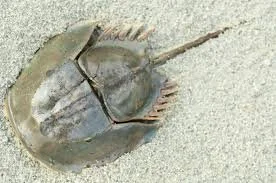
A visit to the Wetlands Institute of Stone Harbor extended my interest. I was taught how to handle the crabs, to bring them back into the water when they washed up on the beach. Their tails are for righting themselves and moving, not for hurting us or prey. When you pick them up, avoid their tail and hold just underneath the shell on both sides. In fact, their reTURN the Favor program focuses on volunteers joining in scheduled walks during closed or off-season to help the crabs. The dolphin cruises operating out of Starlight Fleet in Wildwood have one on-board in a tank for education. They have a silly ritual of passengers kissing the horseshoe crab for seven years of good luck. What a way to break your fear of them!
After all this lead up, the Radiolab podcast “Baby Blue Blood Drive” was the culmination of intrigue, for me, of this remarkable creature.
Prehistoric Beings
The Atlantic Horseshoe crab is one of four species of horseshoe crab, and the only one present in American coastal waters. These seemingly ancient fossils are actually exactly that: they pre-date dinosaurs and are anticipated to have existed on Earth for 445 million years. They are actually more related to a spider or tick than a crab or a horse, despite their name.
They molt up to 16 times in their lifespan, shedding their molts which wash ashore. While many times it is molts we may see, alive crabs often wash up as well. This is where the folks that return them to the ocean come in. Horseshoe crabs have nine eyes with different functions; to find mating partners, to sense UV light, to identify movement.
A Medical Miracle
The question might arise of how this small crab-like creature has existed for this long. The answer lies in its blood. It is also a reason why humans have advanced as far as we have as a species when it comes to lifespan and medical advancements:
Horseshoe crabs have blood that is as sky-blue as a summer’s day, and is rich in copper.
While we have hemoglobin, they have hemocyanin, the protein that carries oxygen through its blood.
Horseshoe crab blood is rich in amebocytes. These are essentially immune cells that release coagulogen.
Similar to the resembling verb, these cells coagulate bacteria to allow the horseshoe crab to quickly stop bacteria spread and close and heal wounds.
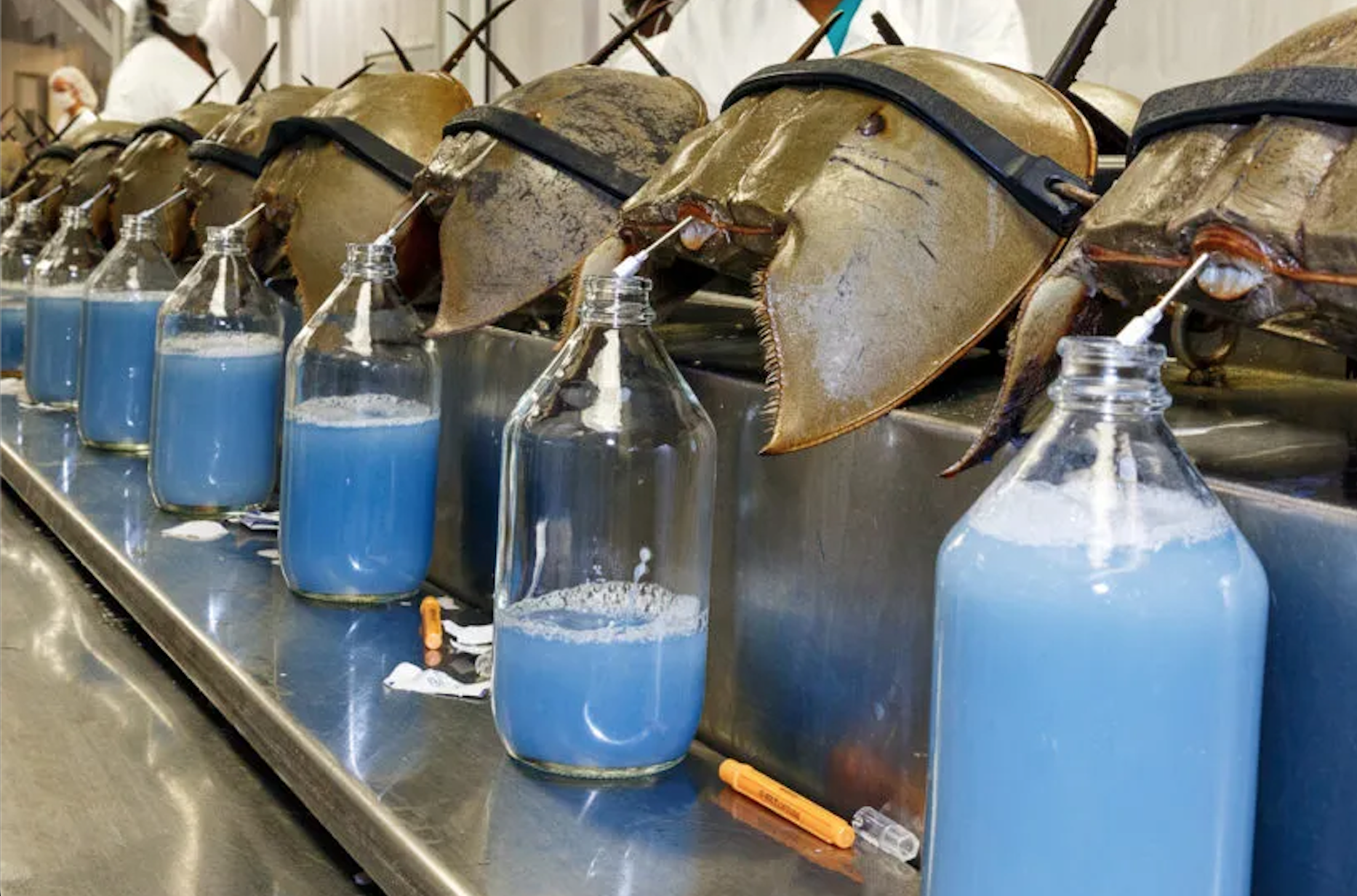
Horseshoe crabs doing their part for humans: “donating” blood in a laboratory
Dr. James F. Cooper realized the pivotal use this blood would have for the biomedical industry. Almost every medical device used in a hospital or doctor’s office has been tested with LAL (limulus amebocyte lysate): intravenous equipment, chemotherapy, pacemakers, EpiPens, vaccines.
Unfortunately for horseshoe crabs, this created large pharmaceutical industry worth tens of $ million that bleeds 500,000 horseshoe crabs annually of ⅓ of their blood. About 15% of the crabs on average ultimately die from the bleeding. The remainder of them can return back to the ocean for normal life, though they appear to move slower and experience lethargy.
“Shore, Leave it to the Birds”
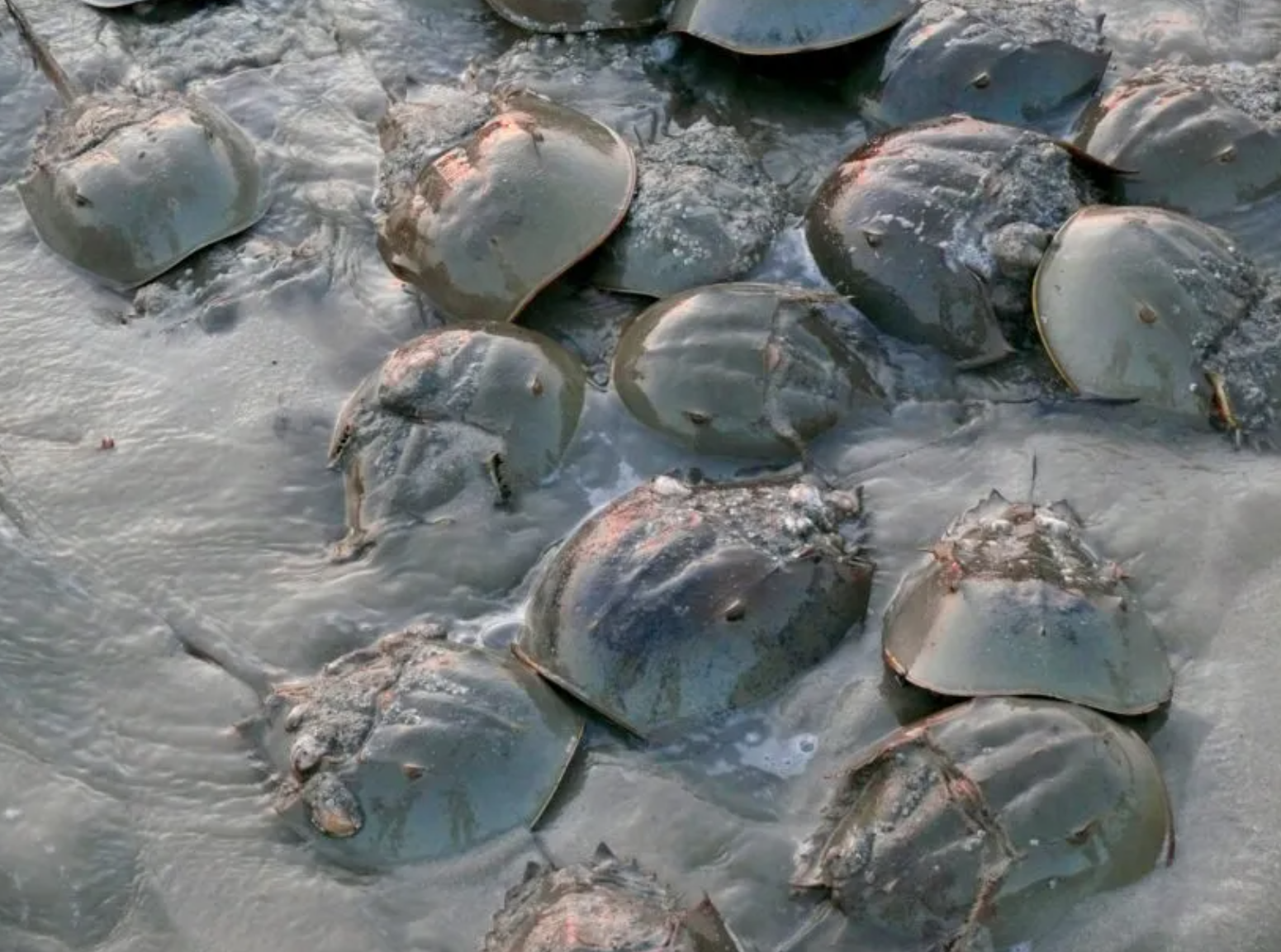
Horseshoe crabs also reproduce a lot. One female can lay 100,000 eggs per year. During the full moon from May to June, they come ashore to lay their eggs, with the largest population in the Delaware Bay. These eggs prove to be an extremely useful food source for another important species: the red knot bird.
These birds reliy on millions of these nutrient-dense horseshoe crab eggs to fuel their near-10,000 mile 5-month migration from the southern tip of South America to the northernmost parts of Canada. In fact, the Delaware Bay is the most vital migratory rest stop for the red knot, as much of their physiological demands are met by consuming the abundance of horseshoe crab eggs as their main food source during migration.
The relationship between red knot and horseshoe crab is evolutionarily intertwined as their arrival coincides with the annual horseshoe crab spawning. The abundance of horseshoe crab eggs on beaches such as in the Delaware Bay historically drove movement and distribution of red knots, and the number of horseshoe crabs in the Delaware Bay characterize its importance/ relevance to their migration route.
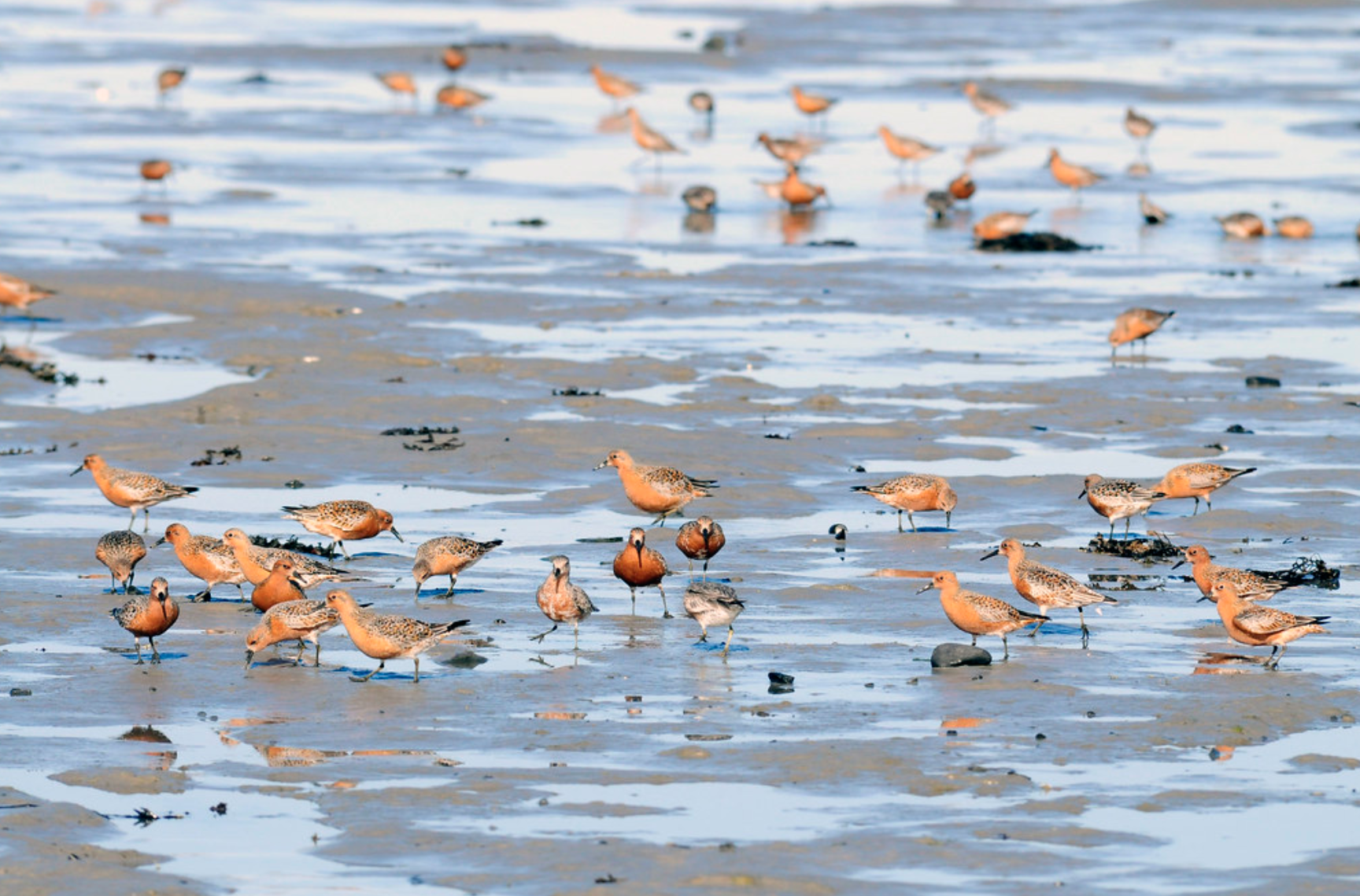
Red knot birds feeding on the beach
The Biggest Dilemma is Still Humans
Despite living a half of a billion years and birds eating many of their eggs every year, the biggest threat to the horseshoe crabs is humans. We began by overfishing them for fertilizers and bait. Now, humans have caused their populations to dwindle over 90% in just the last 30 years due to overfishing and habitat loss.
Dwindling horseshoe crab numbers create a domino effect. We will have less horseshoe crabs to extract the clotting agent LAL from and the shorebirds will not have enough sustenance to sustain their migration, a problem that has been increasing since the early 2010s. This is already proving true as the red knot was federally listed as threatened after 75% of their population decreased from the 1980s to the 2000s. This is a combined result from both food loss and climate change.
The Future of the Atlantic Horseshoe Crab
Thankfully there are alternative testing procedures and even a synthetic LAL substance that can be used for endotoxin testing, which is what the LAL is used for. A lot of the issues of switching to synthetic arise with forcing a multi-million dollar industry to change. A paper was written by Pharmaceutical Supply Chain Initiative (PSCI) in 2023 that collaborated between 80 pharmaceutical and healthcare companies as well as those in the endotoxin supply chain. The paper pushed for protection of horseshoe crabs, minimization of horseshoe crab blood in testing through synthetic adoption, and spread of information on conservation and animal welfare.
Eli Lilly was a major catalyst behind the current changes unfolding. Recombinant Factor C (rFC) is the manufactured compound to replace LAL. It is also more reliable by reducing false-positives. This company began transitioning to using rFC in the majority of medical testing in 2016. This synthetic has been available since the early 2000’s and was developed by Lonza.
A recent policy change allows for synthetic endotoxin testing after a series of studies and reports comparing LAL to rFC. While Lilly has already switched 80% of testing to synthetic, more companies are expected to make the switch now that the policy aligns. This was put in place by the U.S. Pharmacopeia in 2024 and was effective as of May 2025.
A report by PSCI in April 2025 highlighted that the most effective transition would be in testing lab water with rFC methods as this would amount to 80-90% of testing. Other alternatives, like micro-fludics can also reduce the amount of LAL needed. While costs and documentation requirements may stall a quick transition, adopting to utilize alternative testing methods is welcome news for the horseshoe crabs.
What’s Next?
The Atlantic horseshoe crab is truly a remarkable species that has outlived many generations of environmental turmoil and now overuse and exploitation by humans through overharvesting and climate change. Despite the challenges, it has endured as a species which says so much about them.
With policy changes ahead, there is hope to restore both horseshoe crabs and red knots to their former glory. It is pertinent to not allow overharvesting to take out one or both species.
There are many initiatives to partake in to assist these gentle sea spiders. Being aware of nesting areas along the coasts, partaking in returning overturned ones can save up to 10% of them from being stranded, and joining volunteer groups to patrol beaches during their mating season can significantly help. Further, learning how to properly handle them when returning them to the water is crucial to ensure they live upon return.